Brachial Plexus Injury Exercises: A Comprehensive Guide
Navigating recovery from a brachial plexus injury demands a structured approach‚ often detailed in comprehensive guides like a brachial plexus injury exercises PDF.
These resources outline progressive rehabilitation protocols‚ encompassing early-stage interventions and advanced techniques for restoring function.
Understanding the injury’s specific nature is crucial‚ as treatment and exercise selection vary significantly based on severity and type.
Physiotherapy and occupational therapy play pivotal roles‚ employing tailored exercises to regain strength‚ range of motion‚ and independence.
Detailed PDFs often include illustrations and step-by-step instructions for shoulder‚ elbow‚ wrist‚ hand‚ and finger exercises‚ promoting optimal recovery.
Understanding Brachial Plexus Injuries
Brachial plexus injuries (BPIs) represent a complex spectrum of nerve damage‚ impacting the network of nerves that transmit signals from the spinal cord to the arm and hand. A brachial plexus injury exercises PDF often begins by clarifying the nature of these injuries‚ emphasizing that no two cases are identical.
Severity varies greatly‚ ranging from mild stretching (neuropraxia) to complete nerve root avulsion. Understanding the specific type of injury – Erb’s palsy‚ Klumpke’s palsy‚ or Horner’s syndrome – is paramount for tailoring rehabilitation. These PDFs highlight that accurate diagnosis is the foundation of effective treatment.
Long-term disabilities can arise if BPIs are not addressed appropriately‚ making early intervention crucial. Rehabilitation protocols detailed in these guides aim to minimize complications and maximize functional recovery‚ focusing on restoring movement and sensation. The PDF will often detail the importance of a multidisciplinary approach.
What is the Brachial Plexus?
The brachial plexus is a complex network of nerves originating in the neck and shoulder‚ responsible for providing motor and sensory function to the entire arm. A brachial plexus injury exercises PDF typically begins with a detailed anatomical overview‚ explaining how these nerves branch out from spinal levels C5 to T1.
These nerves control movement in the shoulder‚ elbow‚ wrist‚ and hand‚ as well as sensation in the arm and hand. Understanding its structure is vital‚ as injury location dictates the resulting deficits. The PDF will often include diagrams illustrating the nerve pathways.
Damage to this network can disrupt these signals‚ leading to weakness‚ numbness‚ or paralysis. Effective rehabilitation‚ as outlined in these guides‚ focuses on rerouting neural pathways and strengthening remaining function. Knowing the plexus’s anatomy informs targeted exercise selection.
Causes of Brachial Plexus Injury
A brachial plexus injury exercises PDF often dedicates a section to understanding the various causes of nerve damage. Birth-related injuries are a common cause‚ particularly during difficult deliveries‚ leading to Erb’s or Klumpke’s palsy. Traumatic events‚ such as contact sports‚ motorcycle accidents‚ or falls‚ can also stretch or tear the nerves.
Other causes include tumors‚ inflammation‚ or direct compression of the nerves. The PDF will emphasize that the specific cause influences the type and severity of the injury‚ dictating the rehabilitation approach. Understanding the mechanism of injury is crucial for tailoring exercises.
Detailed guides highlight the importance of accurate diagnosis to determine the appropriate treatment plan; Rehabilitation protocols are adjusted based on whether the injury involves nerve stretching‚ rupture‚ or avulsion.
Types of Brachial Plexus Injuries (Erb’s Palsy‚ Klumpke’s Palsy‚ Horner’s Syndrome)
A brachial plexus injury exercises PDF typically provides a detailed overview of different injury types. Erb’s Palsy‚ affecting the upper brachial plexus‚ often results in a “waiter’s tip” hand‚ impacting shoulder and elbow function. Klumpke’s Palsy‚ involving the lower plexus‚ affects hand and finger movements.
Horner’s Syndrome‚ stemming from damage to sympathetic nerves‚ presents with drooping eyelid‚ constricted pupil‚ and decreased sweating. The PDF will explain how each injury manifests and how exercise protocols are tailored accordingly.
Specific exercises are prescribed based on the affected nerves and muscles. Rehabilitation focuses on restoring range of motion‚ strength‚ and function‚ with the PDF outlining progressions for each injury type. Understanding these distinctions is vital for effective recovery.
Rehabilitation Protocols & Treatment
A brachial plexus injury exercises PDF details phased rehabilitation‚ prioritizing early immobilization‚ pain control‚ and progressive physiotherapy to optimize functional recovery.
Treatment protocols adapt to injury severity.
Early Stage Rehabilitation (Acute Phase)
Initial rehabilitation‚ often outlined in a brachial plexus injury exercises PDF‚ focuses on protecting the injured nerves and minimizing pain during the acute phase.
Immobilization‚ typically with a sling‚ is crucial to prevent further damage and allow for initial healing. Gentle‚ passive range of motion exercises‚ performed by a therapist‚ help maintain joint flexibility without stressing the injured nerves.
Pain management is paramount‚ utilizing modalities like ice‚ elevation‚ and medication as prescribed by a physician.
Early exercises are not about strength; they’re about preventing stiffness and promoting circulation.
A PDF guide will emphasize avoiding active movements that cause pain or exacerbate symptoms‚ focusing instead on controlled‚ assisted motions to preserve some level of function.
The goal is to establish a foundation for more intensive rehabilitation as healing progresses.
Importance of Immobilization & Pain Management
A brachial plexus injury exercises PDF consistently highlights the critical role of immobilization and pain management in the initial recovery stages.
Immobilization‚ usually achieved with a sling or splint‚ safeguards the injured nerves from further trauma during the vulnerable acute phase‚ preventing potentially worsening the condition.
Effective pain control is equally vital‚ as pain can inhibit participation in rehabilitation and impede the healing process.
PDF resources detail various pain management strategies‚ including medication‚ ice/heat therapy‚ and gentle positioning.
Reducing pain allows for better engagement in prescribed exercises‚ even if those exercises are initially limited to passive range of motion.
Proper management of both immobilization and pain sets the stage for a more successful and efficient rehabilitation journey.
Physiotherapy Treatment Approaches
A brachial plexus injury exercises PDF emphasizes that physiotherapy forms the cornerstone of recovery‚ employing a multifaceted approach tailored to the injury’s specifics.
Early interventions often focus on preventing secondary complications like shoulder subluxation and muscle atrophy‚ utilizing gentle range-of-motion exercises.
As healing progresses‚ the PDF details progressive strengthening exercises targeting the shoulder‚ elbow‚ wrist‚ and hand‚ gradually increasing resistance.
Neuromuscular electrical stimulation (NMES) is frequently incorporated to re-educate muscles and improve nerve conduction.
Functional training‚ simulating activities of daily living‚ is a key component‚ helping patients regain independence.
The PDF stresses the importance of a personalized treatment plan‚ regularly adjusted based on the patient’s response and progress.
Role of Occupational Therapy
A brachial plexus injury exercises PDF highlights occupational therapy’s crucial role in maximizing functional independence post-injury. Unlike physiotherapy’s focus on movement‚ OT concentrates on adapting tasks and environments.
OT assessments identify limitations in activities of daily living (ADLs) – dressing‚ bathing‚ eating – and develop strategies to overcome them.
Adaptive equipment‚ like button hooks or specialized utensils‚ is often introduced to facilitate self-care.
The PDF details how OT collaborates with patients to modify techniques‚ conserving energy and minimizing strain.
Splinting may be used to support the affected limb and prevent contractures‚ improving hand function.
Cognitive and perceptual retraining can address any associated deficits‚ enhancing overall participation in meaningful activities.
Ultimately‚ OT empowers patients to regain control and improve their quality of life;
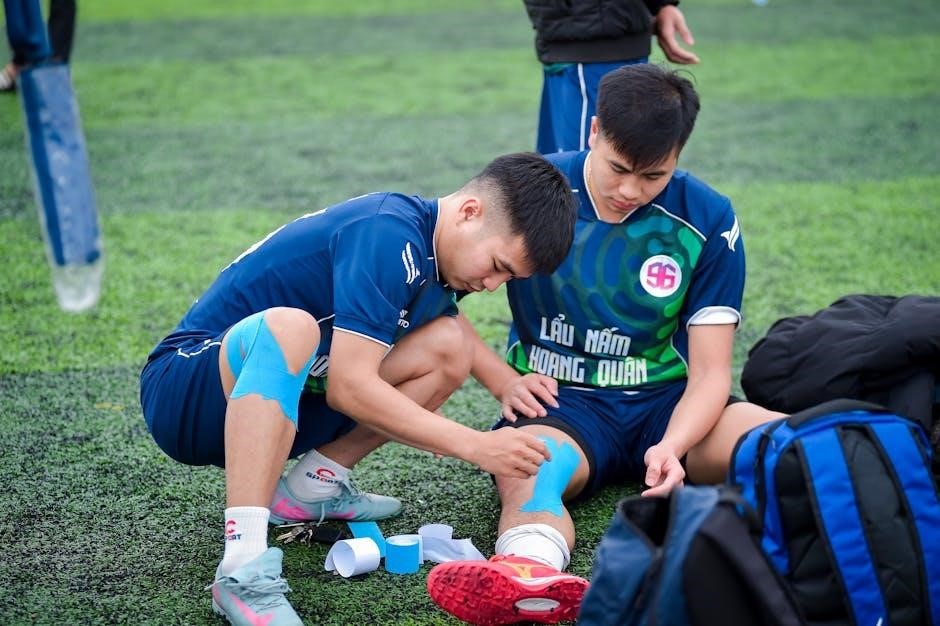
Specific Exercises for Recovery
A brachial plexus injury exercises PDF details targeted movements for shoulder‚ elbow‚ wrist‚ and hand rehabilitation‚ progressively building strength and function.
These exercises are crucial for restoring nerve pathways and regaining control.
Shoulder Exercises
Shoulder rehabilitation‚ as detailed in a brachial plexus injury exercises PDF‚ forms a cornerstone of recovery‚ focusing on restoring range of motion and strength. Shoulder shrugs‚ a foundational exercise‚ gently activate upper trapezius muscles‚ improving scapular control.
Shoulder rolls‚ both forward and backward‚ enhance mobility and reduce stiffness. Passive range of motion exercises‚ often initiated by a therapist‚ are vital in the acute phase‚ preventing contractures and maintaining joint flexibility when active movement is limited.
Progressive resistance is gradually introduced as strength returns‚ utilizing light weights or resistance bands. The PDF emphasizes proper form to avoid compensatory movements and maximize effectiveness. Consistent performance of these exercises‚ guided by a qualified professional‚ is key to regaining shoulder function and overall arm usability.
Shoulder Shrugs
Shoulder shrugs‚ as outlined in a brachial plexus injury exercises PDF‚ are a gentle yet effective exercise for initiating shoulder rehabilitation. The exercise targets the trapezius muscles‚ crucial for scapular stability and movement. To perform‚ sit or stand with relaxed arms at your sides.
Slowly elevate your shoulders towards your ears‚ squeezing them together‚ and hold for a few seconds. Then‚ slowly lower your shoulders back to the starting position. The PDF emphasizes controlled movements‚ avoiding any jerking or straining.
Begin with a small range of motion and gradually increase it as strength improves. Repetitions should be performed slowly and deliberately‚ focusing on muscle engagement. This exercise is often recommended in the early stages of recovery‚ even with limited arm function.
Shoulder Rolls
Shoulder rolls‚ frequently detailed within a brachial plexus injury exercises PDF‚ are a foundational exercise for improving shoulder mobility and reducing stiffness. The movement involves circular motions of the shoulders‚ promoting blood flow and preventing muscle contractures. To execute‚ sit or stand comfortably with arms relaxed.
Gently rotate your shoulders forward in a circular motion for a set number of repetitions‚ then reverse the direction‚ rolling them backward. A PDF will often advise starting with small‚ controlled circles‚ gradually increasing the range of motion as tolerated.
Focus on maintaining a relaxed posture throughout the exercise‚ avoiding tension in the neck or upper back. This exercise is beneficial at various stages of recovery‚ aiding in restoring full shoulder function and preventing long-term complications.
Passive Range of Motion Exercises
Passive range of motion (PROM) exercises‚ comprehensively illustrated in a brachial plexus injury exercises PDF‚ are crucial‚ especially in the acute phase of recovery when active movement is limited. These exercises involve an external force – typically a therapist – gently moving the affected limb through its range of motion.
The patient remains relaxed‚ allowing the therapist to assess joint mobility and prevent stiffness; A PDF guide will detail specific PROM techniques for the shoulder‚ elbow‚ wrist‚ and fingers. Focusing on slow‚ controlled movements is vital‚ avoiding any pain or discomfort.
Regular PROM helps maintain joint flexibility‚ prevents contractures‚ and prepares the muscles for eventual active movement. These exercises are often a cornerstone of early rehabilitation protocols‚ laying the groundwork for more advanced interventions.
Elbow & Wrist Exercises
A brachial plexus injury exercises PDF will detail progressive exercises targeting elbow and wrist function‚ crucial for regaining upper limb dexterity. Initially‚ exercises focus on gentle movements‚ often starting with assisted range of motion. Wrist flexion and extension are fundamental‚ improving wrist mobility and preparing for functional tasks.
Bicep curls‚ performed with minimal resistance or assistance‚ help restore elbow flexion strength. Forearm pronation and supination exercises‚ rotating the palm up and down‚ enhance forearm control. The PDF emphasizes gradual progression‚ increasing resistance as strength improves.
These exercises are often incorporated into a broader rehabilitation program‚ alongside shoulder and hand exercises‚ to promote holistic recovery. Consistent practice‚ guided by a therapist and detailed in the PDF‚ is key to achieving optimal outcomes.
Wrist Flexion & Extension
A brachial plexus injury exercises PDF will illustrate wrist flexion and extension as foundational exercises for restoring hand and forearm function. These movements‚ bending the wrist up (extension) and down (flexion)‚ improve range of motion and prepare the wrist for more complex activities.
Initially‚ these exercises are often performed passively‚ with a therapist assisting the movement. As strength returns‚ active-assisted and then active exercises are introduced. The PDF typically details starting positions‚ repetition guidelines‚ and potential modifications based on injury severity.
Resistance can be gradually added using light weights or resistance bands. Proper form is emphasized to prevent compensatory movements and ensure effective muscle engagement. Consistent performance‚ as outlined in the PDF‚ is vital for regaining wrist control and functionality.
Bicep Curls (with assistance)
A brachial plexus injury exercises PDF frequently includes assisted bicep curls to rebuild strength in the upper arm‚ a muscle group often affected by nerve damage. Due to weakness‚ initial curls require significant assistance from a therapist or assistive devices like elastic bands.
The PDF will demonstrate proper form – keeping the elbow close to the body and controlling the movement throughout the curl. Assistance gradually decreases as the patient gains strength‚ transitioning from full support to minimal aid. Light weights may be introduced cautiously.
Focusing on slow‚ controlled repetitions is crucial to avoid strain and promote muscle activation. The PDF emphasizes the importance of pain monitoring and adjusting the exercise intensity accordingly. Consistent practice‚ guided by the PDF’s recommendations‚ is key to restoring bicep function.
Forearm Pronation & Supination
A brachial plexus injury exercises PDF often details forearm pronation and supination exercises to restore rotational movement‚ vital for hand function. These exercises involve turning the palm down (pronation) and up (supination) while keeping the elbow bent and close to the body.
Initially‚ these movements may require assistance from a therapist or using a light weight. The PDF will illustrate proper technique‚ emphasizing slow‚ controlled motions to avoid compensating with shoulder or elbow movements. Resistance is gradually increased as strength improves.
The PDF highlights the importance of maintaining a relaxed shoulder throughout the exercise. Consistent practice‚ following the PDF’s guidance‚ helps regain control and strength in the forearm muscles‚ improving dexterity and daily living activities.

Hand & Finger Exercises
A comprehensive brachial plexus injury exercises PDF dedicates a significant section to hand and finger rehabilitation‚ crucial for regaining fine motor skills. These exercises aim to improve grip strength‚ dexterity‚ and overall hand function‚ often compromised after an injury.
The PDF typically outlines exercises like finger extension and flexion‚ promoting range of motion in the joints. Pinch strengthening exercises‚ using putty or small objects‚ are included to rebuild intrinsic hand muscle strength. Grip strengthening‚ starting with gentle squeezing‚ is progressively challenged.
Detailed illustrations within the PDF demonstrate correct form‚ emphasizing controlled movements and avoiding overexertion. Consistent practice‚ guided by the PDF’s instructions‚ is key to restoring functional hand use and independence in daily activities.
Grip Strengthening Exercises
A brachial plexus injury exercises PDF emphasizes grip strengthening as a vital component of hand rehabilitation‚ often starting with gentle‚ progressive exercises. These exercises focus on rebuilding the intrinsic and extrinsic muscles responsible for hand closure and object manipulation.
The PDF commonly details using a soft ball or putty for squeezing exercises‚ gradually increasing resistance as strength improves. Functional grip activities‚ like picking up small objects or turning doorknobs‚ are introduced to translate strength into real-world tasks. Isometric grip exercises‚ holding a grip without movement‚ are also frequently included.
Detailed instructions within the PDF stress proper technique and avoiding pain‚ emphasizing controlled movements. Consistent practice‚ following the PDF’s guidance‚ is essential for regaining a functional and strong grip‚ improving independence in daily living.
Finger Extension & Flexion
A brachial plexus injury exercises PDF typically dedicates a section to restoring finger flexion and extension‚ crucial for hand function. These exercises aim to improve the range of motion and strength of the muscles controlling finger movements‚ often starting with passive range of motion exercises guided by a therapist.
The PDF will likely illustrate active-assisted exercises‚ where the patient uses their own effort‚ supplemented by assistance‚ to bend and straighten fingers. Resistance bands or gentle manual resistance may be introduced as strength increases. Simple tasks like making a fist or extending fingers fully are frequently recommended.
Detailed instructions emphasize slow‚ controlled movements and avoiding pain. Consistent practice‚ as outlined in the PDF‚ is key to regaining dexterity and independence in hand use‚ improving the ability to perform everyday activities.
Pinch Strengthening Exercises
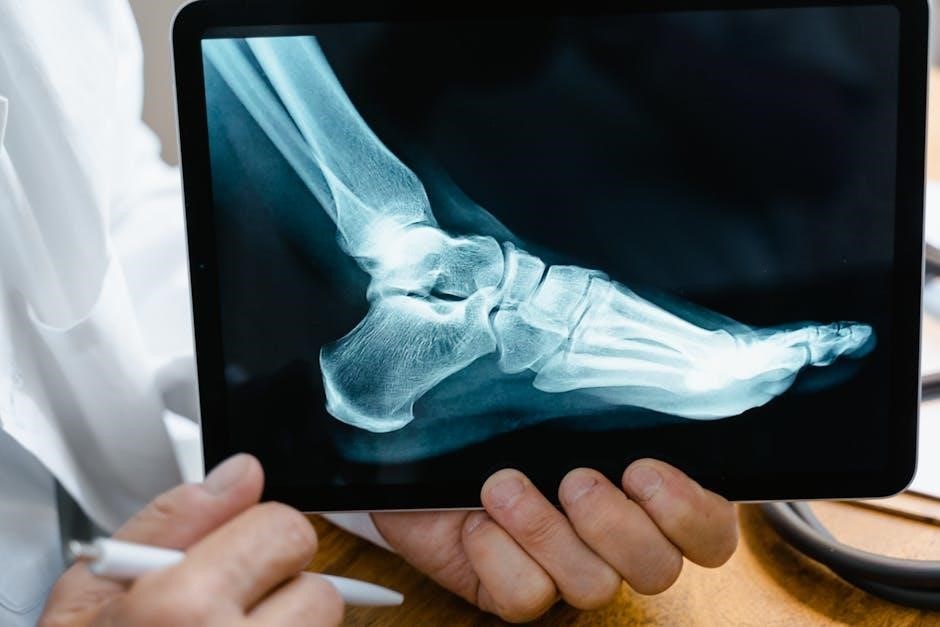
A brachial plexus injury exercises PDF will emphasize pinch strengthening as vital for regaining functional hand use. These exercises target the small intrinsic muscles of the hand‚ crucial for precise movements and grip strength. The PDF often begins with simple exercises like pinching a soft sponge or putty‚ gradually increasing resistance.
Progressive exercises may involve pinching small objects like clothespins or beads‚ focusing on controlled movements and endurance. Therabands or specialized pinch gauges can be incorporated to measure and track progress. Instructions will highlight maintaining proper hand posture and avoiding compensatory movements.
Consistent practice‚ as detailed in the PDF‚ is essential for rebuilding pinch strength‚ enabling activities like writing‚ buttoning clothes‚ and handling small items. The goal is to restore the ability to perform daily tasks with ease and independence.
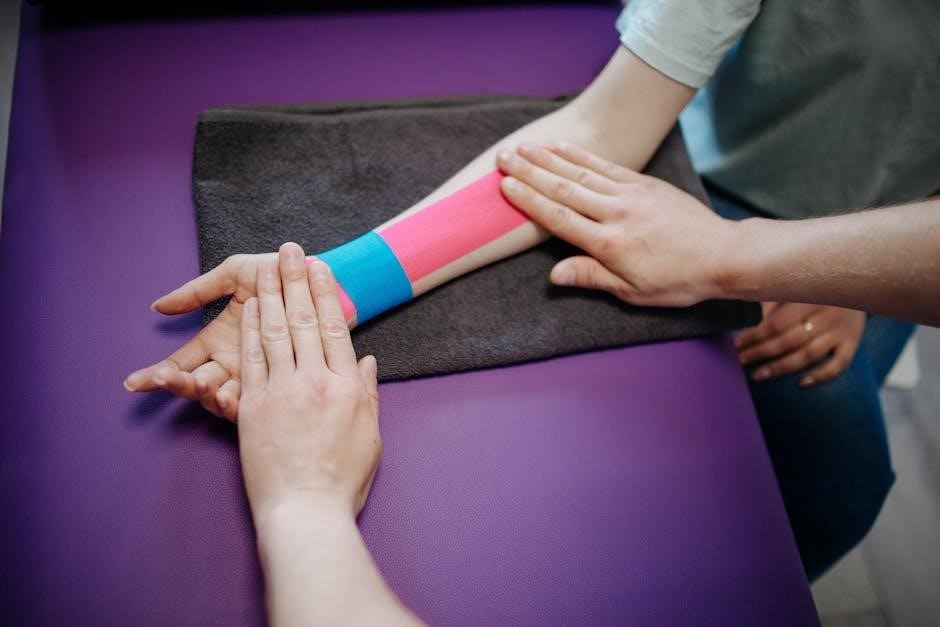
Advanced Exercises & Considerations
A brachial plexus injury exercises PDF details neuromuscular electrical stimulation‚ progressive resistance training‚ and functional activities.
Long-term management and complication prevention are also addressed‚ ensuring sustained recovery and optimal function.
Neuromuscular Electrical Stimulation (NMES)
Neuromuscular Electrical Stimulation (NMES)‚ as often detailed within a brachial plexus injury exercises PDF‚ represents a valuable adjunct to traditional rehabilitation. This technique utilizes electrical impulses to stimulate weakened or paralyzed muscles‚ prompting contractions and re-educating the neuromuscular pathways.
NMES can be particularly beneficial in cases where voluntary muscle activation is limited due to nerve damage. The PDF guides typically illustrate electrode placement targeting specific muscle groups affected by the brachial plexus injury.
Parameters like pulse duration‚ frequency‚ and intensity are carefully adjusted based on individual patient needs and tolerance. NMES aims to improve muscle strength‚ reduce muscle atrophy‚ and enhance motor control. It’s often integrated with active exercises‚ maximizing the therapeutic effect and promoting functional recovery. Careful monitoring by a qualified therapist is essential to ensure safe and effective application.
Progressive Resistance Training
Progressive Resistance Training (PRT)‚ a cornerstone of brachial plexus injury rehabilitation detailed in many exercises PDF guides‚ involves gradually increasing the load or resistance during exercises. This systematic approach is crucial for rebuilding muscle strength and endurance following nerve damage.
A typical PRT program begins with minimal resistance – often bodyweight or light bands – and progressively increases as the patient gains strength. The PDF resources emphasize proper form and controlled movements to prevent re-injury.
Exercises are often categorized by muscle group (shoulder‚ elbow‚ wrist‚ hand) and tailored to address specific deficits. Monitoring patient response and adjusting the resistance accordingly is vital. PRT‚ when implemented correctly‚ fosters neuromuscular adaptation‚ improves functional capacity‚ and ultimately enhances the patient’s ability to perform activities of daily living.
Functional Exercises & Activities of Daily Living
Functional exercises‚ frequently highlighted in brachial plexus injury exercises PDF guides‚ bridge the gap between isolated strengthening and real-world tasks. These exercises mimic movements used in everyday activities‚ promoting practical recovery and independence.
PDF resources often detail progressions from simple tasks – like reaching for objects or opening doors – to more complex activities‚ such as dressing‚ grooming‚ and meal preparation. The focus shifts from merely strengthening muscles to integrating them into coordinated movement patterns.
Activities of Daily Living (ADL) training is a key component‚ helping patients regain the ability to perform essential self-care tasks. Adaptations and assistive devices are often incorporated initially‚ gradually phasing out as strength and function improve. This approach maximizes the relevance of rehabilitation and enhances the patient’s quality of life.

Long-Term Management & Preventing Complications
Brachial plexus injury exercises PDF guides emphasize that recovery isn’t a destination‚ but an ongoing process. Long-term management focuses on maintaining gains‚ preventing secondary complications‚ and adapting to any persistent limitations.
Regular‚ home-based exercise programs‚ detailed within these PDFs‚ are crucial for preserving strength‚ range of motion‚ and neuromuscular control. Monitoring for signs of overuse or pain is essential‚ alongside proactive adjustments to the exercise regimen.
Potential complications‚ such as muscle imbalances or joint stiffness‚ require ongoing attention. PDF resources often include advice on ergonomic principles‚ postural awareness‚ and strategies for preventing re-injury. Consistent follow-up with healthcare professionals ensures optimal long-term outcomes and addresses any emerging concerns.