
PDF

playing preschool year 1 pdf free download

Playing Preschool Year 1 PDF Free Download: Article Plan

Playing Preschool Year 1 offers a structured, play-based learning journey for young children, and this article explores options for accessing its materials, including potential free PDF resources.

We will delve into legitimate sources for samples, the risks associated with unofficial downloads, and ethical considerations regarding copyright, alongside alternative access methods.

Furthermore, we’ll examine purchasing options and explore how to utilize free online resources to supplement or even replicate aspects of the curriculum for home learning.

Playing Preschool Year 1 has rapidly become a popular choice for parents seeking a comprehensive and engaging early childhood education program for their toddlers and preschoolers. This curriculum, designed by Alexa, a sensory teacher and homeschool mom, emphasizes play-based learning, recognizing its crucial role in fostering cognitive, social, and emotional development.

Many parents are understandably interested in finding a free PDF version of Playing Preschool Year 1 to explore the curriculum’s content and determine if it aligns with their child’s needs and their homeschooling philosophy. However, accessing the complete curriculum for free can be challenging and raises important questions about copyright and ethical usage.

This article aims to provide a thorough overview of Playing Preschool Year 1, explore available resources, and guide parents toward responsible and legal ways to access its valuable learning materials. We will navigate the landscape of free samples, potential risks, and alternative options.

What is Playing Preschool Year 1?

Playing Preschool Year 1 is a meticulously crafted, year-long curriculum specifically designed for homeschooling parents with children aged 2.5 to 5 years old. Developed by Alexa, the creator of the “Here We Grow” method, it’s built upon the principles of sensory learning and play-based education. The program is structured around 19 distinct thematic units, offering a total of 190 days worth of planned activities.

Unlike traditional preschool programs, Playing Preschool Year 1 prioritizes hands-on exploration and child-led discovery. It aims to foster a love of learning through engaging activities that stimulate creativity, problem-solving skills, and social-emotional growth. While a complete free PDF is rarely available, sample weeks are often offered.

The curriculum’s strength lies in its comprehensive approach, covering a wide range of developmental areas, making it a popular choice for families seeking a robust and enriching preschool experience at home.

Target Age Group & Developmental Stage

Playing Preschool Year 1 is ideally suited for children between the ages of 2.5 and 5 years old, encompassing a broad range of developmental stages within the preschool years. This age group is characterized by rapid cognitive, social, emotional, and physical growth. The curriculum is designed to meet children where they are, offering adaptable activities to cater to varying skill levels.

Typically, children in this age range are developing pre-literacy skills, such as recognizing letters and sounds, alongside foundational math concepts like counting and shape recognition. They are also refining their fine and gross motor skills, and learning to interact with peers.

While a free PDF download of the entire curriculum isn’t common, understanding the target age helps determine if the sample materials align with your child’s current developmental stage and learning needs.

Curriculum Overview: 19 Thematic Units

Playing Preschool Year 1 is structured around 19 engaging thematic units, providing 190 days of planned learning activities. These units are designed to foster a love of learning through play and exploration, covering a diverse range of topics relevant to young children’s lives. Themes include familiar subjects like Apples, Pumpkins, Snowflakes, and Bugs, offering opportunities for hands-on learning and sensory experiences.

Each unit incorporates various activities targeting different developmental areas – literacy, math, science, art, and social-emotional skills. While a complete free PDF download is unlikely, understanding the unit structure allows you to assess if the curriculum’s themes align with your child’s interests.

The thematic approach provides a cohesive learning experience, building upon concepts throughout the year and encouraging deeper understanding.

Key Features of the Playing Preschool Curriculum

Playing Preschool Year 1 distinguishes itself through its emphasis on play-based learning, making it an appealing option for parents seeking a gentle introduction to early education. A core feature is the comprehensive nature of the curriculum, offering a full year of planned activities, reducing the burden of lesson planning for homeschooling parents.

The curriculum’s design prioritizes hands-on experiences and sensory exploration, catering to the developmental needs of preschool-aged children; While a complete free PDF download isn’t readily available, the detailed activity guides and material lists are significant benefits.

It also includes flexibility, allowing adaptation to individual child’s pace and learning style, making it a versatile choice for diverse learners.

Play-Based Learning Philosophy

Playing Preschool Year 1 is fundamentally rooted in the belief that children learn best through play. This philosophy recognizes that play isn’t merely recreation, but a crucial mechanism for cognitive, social, and emotional development. The curriculum leverages this by structuring learning around engaging activities that feel like games to the child.

Rather than direct instruction, the program encourages exploration, discovery, and self-directed learning, fostering a love for learning from a young age. While seeking a free PDF version, understanding this core principle is vital – the curriculum’s effectiveness relies on embracing the playful approach.

It prioritizes child-led exploration and allows children to construct their own understanding of concepts through hands-on experiences.

Benefits of a Play-Based Preschool Curriculum

A play-based preschool curriculum, like Playing Preschool Year 1, offers numerous advantages for young learners. It fosters creativity and imagination, allowing children to develop problem-solving skills organically through engaging activities. Social-emotional growth is also significantly enhanced, as play encourages cooperation, communication, and empathy.

Cognitively, play strengthens neural connections, boosting memory and critical thinking abilities. Even when considering a free PDF download, remember that the curriculum’s strength lies in its intentional play-based design.

Furthermore, it cultivates a positive attitude towards learning, making education an enjoyable experience rather than a chore, setting a strong foundation for future academic success.

The Importance of Early Childhood Education

Early childhood education, particularly programs like Playing Preschool Year 1, is crucial for a child’s holistic development. The first five years are a period of rapid brain growth, making it the ideal time to establish a strong foundation for future learning and success. A well-structured curriculum, even accessed through a free PDF sample, can significantly impact a child’s cognitive, social, and emotional skills.

Early education fosters curiosity, encourages exploration, and builds confidence. It prepares children for kindergarten and beyond, equipping them with the necessary skills to thrive academically and socially.

Investing in early learning is an investment in a child’s future, setting them on a path towards lifelong learning and achievement.

Detailed Look at Thematic Units

Playing Preschool Year 1 distinguishes itself through its 19 carefully crafted thematic units, offering a comprehensive year of learning. These units aren’t just collections of activities; they’re immersive experiences designed to engage young learners. While a complete free PDF download might be elusive, exploring sample units, like “Apples,” provides insight into the curriculum’s depth.

Each unit centers around a relatable theme, fostering natural curiosity and making learning enjoyable. Activities integrate various developmental areas – literacy, math, science, art, and social-emotional skills.

The thematic approach allows for flexible learning, adapting to a child’s interests and pace, making it a valuable resource for homeschooling families.

Week 1: Apples ⎯ Activities & Learning Objectives

“Apples,” the inaugural unit in Playing Preschool Year 1, beautifully exemplifies the curriculum’s play-based philosophy. A free sample of this week is often available, offering a glimpse into the engaging activities. Learning objectives focus on foundational skills – color recognition (red, green, yellow), shape identification (circles), and counting.

Activities might include apple stamping for art, apple-themed sensory bins, and simple apple-related stories for literacy. Fine motor skills are developed through activities like apple sorting and transferring apple slices.

The unit encourages exploration of the apple’s life cycle, introducing basic science concepts in an age-appropriate manner. This hands-on approach fosters a love of learning and prepares children for subsequent thematic units.

Week 5: Pumpkins ⎯ Sensory Exploration

Week 5 of Playing Preschool Year 1 centers around pumpkins, providing rich opportunities for sensory exploration. This unit is particularly appealing as it often coincides with autumn festivities, enhancing engagement. A preview, potentially available as a free sample, showcases the unit’s tactile focus.

Activities involve exploring the textures of pumpkins – smooth skin, stringy insides, and seeds. Children can engage in pumpkin painting, carving (with adult supervision), and creating pumpkin-scented playdough.

Learning objectives include developing descriptive language, practicing counting skills with pumpkin seeds, and understanding basic concepts of size and weight. Sensory play with pumpkins stimulates curiosity and encourages scientific observation.

Week 10: Snowflakes ⎯ Science & Art Integration

Playing Preschool Year 1’s Week 10 beautifully integrates science and art through the theme of snowflakes. This unit offers a chance to explore the unique properties of water and the fascinating symmetry of snowflakes – often previewed in free sample materials.

Activities include creating snowflakes using various materials like paper, glitter, and pipe cleaners. Children can learn about the water cycle and how snowflakes form through simple experiments and discussions.

Learning objectives focus on recognizing shapes, understanding patterns, and developing fine motor skills. The curriculum encourages observation and fosters an appreciation for the beauty of nature, blending artistic expression with scientific inquiry.

Week 15: Bugs ⏤ Nature Study & Observation

Playing Preschool Year 1’s Week 15 dives into the captivating world of bugs, fostering nature study and keen observation skills – often highlighted in curriculum previews or free sample weeks.

This unit encourages children to explore their outdoor environments, identify different insects, and learn about their life cycles. Activities might include bug hunts, creating bug habitats, and observing insects with magnifying glasses.

Learning objectives center around developing scientific inquiry, understanding the importance of insects in the ecosystem, and enhancing observational abilities. The curriculum promotes respect for all living creatures and encourages hands-on learning experiences.

Finding a Free PDF Download

The quest for a free PDF download of Playing Preschool Year 1 is common, but requires caution. A complete, legally obtained PDF is rarely available for free due to copyright restrictions.

However, creators and authorized sellers often offer sample weeks or preview materials as downloadable PDFs to showcase the curriculum’s quality and approach. These samples provide a taste of the thematic units and activity styles.

Searching directly on the official website or reputable homeschooling resource platforms is the safest approach. Be wary of unofficial websites promising full downloads, as these may contain malware or violate copyright laws. Prioritize legitimate sources for a secure and ethical experience.

Legitimate Sources for Free Samples

Several trustworthy avenues offer free samples of Playing Preschool Year 1, allowing you to evaluate the curriculum before committing to a purchase. The official Playing Preschool website frequently provides a sample week – often “Week 1: Apples” – as a downloadable PDF.

Reputable homeschooling marketplaces and blogs that review curricula often host links to these official samples. Look for partnerships between the curriculum creator and established educational resource providers.

Alexa, the creator of the Home Play Curriculum, also shares free resources and previews through her website and social media channels. Always verify the source’s authenticity to ensure you’re receiving legitimate, safe materials.


Risks of Downloading from Unofficial Websites

Downloading Playing Preschool Year 1 from unofficial websites carries significant risks. These sites often host malware, viruses, and other harmful software disguised as legitimate files, potentially compromising your device and personal information.

Furthermore, such downloads frequently violate copyright laws, supporting illegal distribution and undermining the curriculum creator’s work. The quality of the PDF is also questionable; unofficial versions may be incomplete, corrupted, or contain errors.

Protecting your child’s safety and respecting intellectual property are paramount. Stick to official sources and legitimate sample offerings to avoid these dangers and ensure a secure, high-quality learning experience.

Copyright Considerations & Ethical Use

Playing Preschool Year 1 is a copyrighted work, and unauthorized distribution or reproduction is illegal. While seeking free resources is understandable, respecting the creator’s intellectual property is crucial. Downloading a full PDF from unofficial sources constitutes copyright infringement.

Ethical use involves utilizing only legally obtained materials, such as official samples or purchased copies. Sharing purchased materials with others violates licensing agreements. Supporting the curriculum creator through legitimate channels ensures continued development and quality.

Consider the impact of your actions on the creator’s livelihood and the future availability of valuable educational resources. Prioritize ethical practices and legal access to foster a sustainable learning environment.

Alternatives to a Full PDF Download

If a complete Playing Preschool Year 1 PDF proves inaccessible, numerous alternatives exist. Explore “The Home Play Curriculum” by Alexa, a video-based, month-by-month program offering a similar play-based approach. Utilize free online resources, adapting activities to align with the curriculum’s themes.

Many websites and blogs offer preschool activities categorized by theme, providing supplemental learning opportunities. Libraries are excellent sources of preschool books and educational materials. Consider purchasing individual thematic units instead of the entire curriculum.

Focus on creating a stimulating home learning environment with readily available materials, prioritizing play-based exploration and child-led discovery. These options offer cost-effective and legally sound alternatives.

Purchasing Options: Where to Buy Playing Preschool Year 1

While seeking a free PDF of Playing Preschool Year 1, consider legitimate purchasing avenues to support the curriculum creator and ensure access to the complete, high-quality materials. The primary source is the official website, offering both digital and physical copies of the curriculum.

Occasionally, bundles or sales are available, providing cost savings. Explore educational supply stores, both online and brick-and-mortar, which may carry the curriculum. Check for authorized retailers listed on the official website.

Purchasing directly guarantees access to all 19 thematic units and supporting resources, fostering a comprehensive learning experience. Avoid unauthorized sellers offering potentially incomplete or pirated versions.

The Home Play Curriculum (Alexa’s Method)

Developed by Alexa, a sensory teacher and homeschool mom, The Home Play Curriculum presents a viable alternative to seeking a free PDF of Playing Preschool Year 1. This month-by-month, video-based program emphasizes learning through play, mirroring the philosophy of Playing Preschool but offered as a separate, subscription-based resource.

Alexa’s method focuses on developmentally appropriate activities, utilizing readily available materials to create engaging learning experiences for toddlers. The curriculum provides structured guidance, reducing the need to compile activities independently.

It’s designed to be “doable in real life,” acknowledging the challenges faced by homeschooling parents. While not a direct replacement, it offers a comprehensive and supported play-based learning path.

Utilizing Free Resources & Activities Online

Rather than searching for a free PDF of Playing Preschool Year 1, parents can assemble a comparable curriculum using the wealth of free resources available online. Numerous websites and blogs offer printable activities, craft ideas, and educational games suitable for preschool-aged children.

Pinterest serves as a valuable source of inspiration, with countless boards dedicated to preschool learning. YouTube channels provide instructional videos for art projects, songs, and story times.

Websites offering free printables, like those focused on early literacy and numeracy, can supplement play-based learning. While requiring more effort to curate, this approach allows for a customized and cost-effective learning experience.

Adapting the Curriculum to Your Child’s Needs

Whether utilizing a purchased copy of Playing Preschool Year 1 or assembling a curriculum from free online resources, tailoring the activities to your child’s individual needs is crucial. Observe your child’s interests and learning style – are they more visual, auditory, or kinesthetic learners?

Modify activities accordingly; for example, a child who struggles with fine motor skills might benefit from larger manipulatives or simplified cutting tasks. Extend activities based on engagement; if a child loves a particular theme, incorporate related books, games, and outings.

Remember, flexibility is key. Don’t hesitate to skip activities that aren’t resonating or to repeat those your child enjoys. The goal is to foster a love of learning, not to rigidly adhere to a schedule.

Modifying Activities for Different Learning Styles

Playing Preschool Year 1, even when accessed through free resources, benefits from adaptation based on how your child learns best. Visual learners thrive with colorful materials, picture cards, and demonstrations. Auditory learners excel with songs, rhymes, and verbal instructions.

Kinesthetic learners need hands-on experiences – incorporate movement, building, and sensory play. For a visual learner during the “Apples” week, create an apple-themed collage. An auditory learner could learn an apple song.

A kinesthetic learner might enjoy stamping apples with paint or sorting apples by size. Remember to offer a variety of approaches within each activity to cater to diverse learning preferences and maximize engagement.

Extending Learning Beyond the Curriculum

Even with a free sample or downloaded resources from Playing Preschool Year 1, learning shouldn’t be confined to scheduled activities. Integrate thematic elements into daily life. After the “Bugs” unit, explore insects in your garden or read related library books.

Turn grocery shopping into a counting and sorting exercise, linking back to math concepts introduced in the curriculum. Encourage imaginative play related to the themes – build a pumpkin patch after the “Pumpkins” week.

Field trips to farms, museums, or nature centers further enrich the learning experience. The goal is to create a learning-rich environment where curiosity is fostered and knowledge is applied in real-world contexts, extending the curriculum’s impact.

Creating a Supportive Home Learning Environment

Whether utilizing a purchased copy or exploring free resources from Playing Preschool Year 1, a dedicated learning space is beneficial. This doesn’t require a separate room; a designated corner with accessible materials suffices.

Minimize distractions during learning times. Establish a routine, but remain flexible to accommodate your child’s interests and energy levels. Positive reinforcement and encouragement are crucial – focus on effort, not just results.

Incorporate sensory experiences and hands-on activities, aligning with the curriculum’s play-based philosophy. Remember, learning should be enjoyable! A calm, organized, and stimulating environment fosters a love of learning and maximizes the benefits of the program.

Troubleshooting Common Issues

When implementing Playing Preschool Year 1, even with a legitimate PDF or purchased curriculum, challenges can arise. Resistance to activities is common; adapt or modify them to align with your child’s interests. If a child struggles with a concept, revisit it later using a different approach.

Time management can be tricky. Break down activities into smaller segments and prioritize based on your child’s attention span. Organization is key – keep materials readily accessible.

Don’t hesitate to seek support from online homeschooling communities or other parents using the curriculum. Remember, flexibility and patience are essential for a positive learning experience, even when navigating unexpected hurdles.

Dealing with Resistance to Learning

Resistance during Playing Preschool Year 1 activities is normal. If your child resists, avoid forcing participation; instead, identify the root cause. Is the activity too challenging, not engaging, or are they simply tired? Modify the activity to better suit their developmental level and interests.

Offer choices within the lesson – “Do you want to paint with red or blue?” – to foster a sense of control. Positive reinforcement and encouragement are crucial. Celebrate effort, not just achievement.

Sometimes, a break or a change of scenery can help. Remember, learning should be enjoyable. If resistance persists, temporarily set the activity aside and revisit it later. A PDF version doesn’t change the need for adaptability!

Managing Time & Staying Organized

Successfully implementing Playing Preschool Year 1, even with a PDF download, requires effective time management and organization. Create a flexible daily or weekly schedule, but be prepared to adjust it based on your child’s cues and energy levels. Short, focused activities are often more effective than long, drawn-out sessions.

Prepare materials in advance to minimize disruptions during activity time. A designated learning space, even a corner of a room, can help create a routine. Utilize a planner or digital calendar to track completed activities and plan upcoming lessons.

Don’t strive for perfection; consistency is key. Remember to incorporate breaks for both you and your child, and celebrate small victories along the way.

Finding Support from Other Homeschooling Families

Embarking on a Playing Preschool Year 1 journey, even utilizing a PDF version, is significantly easier with a supportive community. Online homeschooling groups and forums dedicated to early childhood education offer valuable resources, shared experiences, and encouragement.

These platforms allow you to connect with families using the same curriculum, exchange ideas, troubleshoot challenges, and gain inspiration. Local homeschooling co-ops can provide opportunities for in-person interaction, playdates, and collaborative learning activities.

Sharing successes and seeking advice from others can alleviate feelings of isolation and boost your confidence as a homeschooling parent. Remember, you’re not alone in this adventure!

Playing Preschool Year 1, whether accessed through a purchased curriculum or utilizing free resources and PDF samples, provides a strong foundation for early childhood development. The key lies in adapting the program to your child’s unique needs and learning style, fostering a love of learning through play.

While a complete PDF download might be elusive or carry risks, numerous avenues exist to implement the curriculum’s principles effectively. Remember to prioritize ethical considerations regarding copyright and support the curriculum creators when possible.

Ultimately, a nurturing home environment and a parent’s dedication are the most crucial elements for a successful preschool experience, regardless of the resources employed.

Future of Playing Preschool: Year 2 and Beyond

The success of Playing Preschool Year 1 has paved the way for continued development, with Year 2 building upon the established play-based learning philosophy. Expect further thematic explorations, refined activities, and expanded resources designed to challenge and engage growing preschoolers.

Alexa’s method continues to evolve, incorporating feedback from homeschooling families and staying current with early childhood education best practices. While a complete Year 2 PDF may follow a similar access model to Year 1 – primarily through purchase – expect continued availability of free samples and supplemental materials.

The future also holds potential for expanded curriculum offerings, catering to diverse learning needs and potentially extending beyond the preschool years.
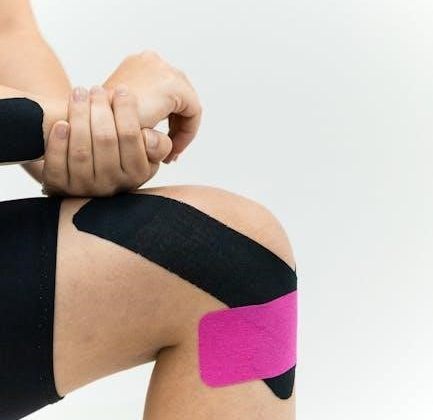

PDF

brachial plexus injury exercises pdf

Brachial Plexus Injury Exercises: A Comprehensive Guide

Navigating recovery from a brachial plexus injury demands a structured approach‚ often detailed in comprehensive guides like a brachial plexus injury exercises PDF.

These resources outline progressive rehabilitation protocols‚ encompassing early-stage interventions and advanced techniques for restoring function.

Understanding the injury’s specific nature is crucial‚ as treatment and exercise selection vary significantly based on severity and type.

Physiotherapy and occupational therapy play pivotal roles‚ employing tailored exercises to regain strength‚ range of motion‚ and independence.

Detailed PDFs often include illustrations and step-by-step instructions for shoulder‚ elbow‚ wrist‚ hand‚ and finger exercises‚ promoting optimal recovery.

Understanding Brachial Plexus Injuries

Brachial plexus injuries (BPIs) represent a complex spectrum of nerve damage‚ impacting the network of nerves that transmit signals from the spinal cord to the arm and hand. A brachial plexus injury exercises PDF often begins by clarifying the nature of these injuries‚ emphasizing that no two cases are identical.

Severity varies greatly‚ ranging from mild stretching (neuropraxia) to complete nerve root avulsion. Understanding the specific type of injury – Erb’s palsy‚ Klumpke’s palsy‚ or Horner’s syndrome – is paramount for tailoring rehabilitation. These PDFs highlight that accurate diagnosis is the foundation of effective treatment.

Long-term disabilities can arise if BPIs are not addressed appropriately‚ making early intervention crucial. Rehabilitation protocols detailed in these guides aim to minimize complications and maximize functional recovery‚ focusing on restoring movement and sensation. The PDF will often detail the importance of a multidisciplinary approach.

What is the Brachial Plexus?

The brachial plexus is a complex network of nerves originating in the neck and shoulder‚ responsible for providing motor and sensory function to the entire arm. A brachial plexus injury exercises PDF typically begins with a detailed anatomical overview‚ explaining how these nerves branch out from spinal levels C5 to T1.

These nerves control movement in the shoulder‚ elbow‚ wrist‚ and hand‚ as well as sensation in the arm and hand. Understanding its structure is vital‚ as injury location dictates the resulting deficits. The PDF will often include diagrams illustrating the nerve pathways.

Damage to this network can disrupt these signals‚ leading to weakness‚ numbness‚ or paralysis. Effective rehabilitation‚ as outlined in these guides‚ focuses on rerouting neural pathways and strengthening remaining function. Knowing the plexus’s anatomy informs targeted exercise selection.

Causes of Brachial Plexus Injury

A brachial plexus injury exercises PDF often dedicates a section to understanding the various causes of nerve damage. Birth-related injuries are a common cause‚ particularly during difficult deliveries‚ leading to Erb’s or Klumpke’s palsy. Traumatic events‚ such as contact sports‚ motorcycle accidents‚ or falls‚ can also stretch or tear the nerves.

Other causes include tumors‚ inflammation‚ or direct compression of the nerves. The PDF will emphasize that the specific cause influences the type and severity of the injury‚ dictating the rehabilitation approach. Understanding the mechanism of injury is crucial for tailoring exercises.

Detailed guides highlight the importance of accurate diagnosis to determine the appropriate treatment plan; Rehabilitation protocols are adjusted based on whether the injury involves nerve stretching‚ rupture‚ or avulsion.

Types of Brachial Plexus Injuries (Erb’s Palsy‚ Klumpke’s Palsy‚ Horner’s Syndrome)


A brachial plexus injury exercises PDF typically provides a detailed overview of different injury types. Erb’s Palsy‚ affecting the upper brachial plexus‚ often results in a “waiter’s tip” hand‚ impacting shoulder and elbow function. Klumpke’s Palsy‚ involving the lower plexus‚ affects hand and finger movements.

Horner’s Syndrome‚ stemming from damage to sympathetic nerves‚ presents with drooping eyelid‚ constricted pupil‚ and decreased sweating. The PDF will explain how each injury manifests and how exercise protocols are tailored accordingly.

Specific exercises are prescribed based on the affected nerves and muscles. Rehabilitation focuses on restoring range of motion‚ strength‚ and function‚ with the PDF outlining progressions for each injury type. Understanding these distinctions is vital for effective recovery.

Rehabilitation Protocols & Treatment

A brachial plexus injury exercises PDF details phased rehabilitation‚ prioritizing early immobilization‚ pain control‚ and progressive physiotherapy to optimize functional recovery.

Treatment protocols adapt to injury severity.

Early Stage Rehabilitation (Acute Phase)

Initial rehabilitation‚ often outlined in a brachial plexus injury exercises PDF‚ focuses on protecting the injured nerves and minimizing pain during the acute phase.

Immobilization‚ typically with a sling‚ is crucial to prevent further damage and allow for initial healing. Gentle‚ passive range of motion exercises‚ performed by a therapist‚ help maintain joint flexibility without stressing the injured nerves.

Pain management is paramount‚ utilizing modalities like ice‚ elevation‚ and medication as prescribed by a physician.

Early exercises are not about strength; they’re about preventing stiffness and promoting circulation.

A PDF guide will emphasize avoiding active movements that cause pain or exacerbate symptoms‚ focusing instead on controlled‚ assisted motions to preserve some level of function.

The goal is to establish a foundation for more intensive rehabilitation as healing progresses.

Importance of Immobilization & Pain Management

A brachial plexus injury exercises PDF consistently highlights the critical role of immobilization and pain management in the initial recovery stages.

Immobilization‚ usually achieved with a sling or splint‚ safeguards the injured nerves from further trauma during the vulnerable acute phase‚ preventing potentially worsening the condition.

Effective pain control is equally vital‚ as pain can inhibit participation in rehabilitation and impede the healing process.

PDF resources detail various pain management strategies‚ including medication‚ ice/heat therapy‚ and gentle positioning.

Reducing pain allows for better engagement in prescribed exercises‚ even if those exercises are initially limited to passive range of motion.

Proper management of both immobilization and pain sets the stage for a more successful and efficient rehabilitation journey.

Physiotherapy Treatment Approaches

A brachial plexus injury exercises PDF emphasizes that physiotherapy forms the cornerstone of recovery‚ employing a multifaceted approach tailored to the injury’s specifics.

Early interventions often focus on preventing secondary complications like shoulder subluxation and muscle atrophy‚ utilizing gentle range-of-motion exercises.

As healing progresses‚ the PDF details progressive strengthening exercises targeting the shoulder‚ elbow‚ wrist‚ and hand‚ gradually increasing resistance.

Neuromuscular electrical stimulation (NMES) is frequently incorporated to re-educate muscles and improve nerve conduction.

Functional training‚ simulating activities of daily living‚ is a key component‚ helping patients regain independence.

The PDF stresses the importance of a personalized treatment plan‚ regularly adjusted based on the patient’s response and progress.

Role of Occupational Therapy

A brachial plexus injury exercises PDF highlights occupational therapy’s crucial role in maximizing functional independence post-injury. Unlike physiotherapy’s focus on movement‚ OT concentrates on adapting tasks and environments.

OT assessments identify limitations in activities of daily living (ADLs) – dressing‚ bathing‚ eating – and develop strategies to overcome them.

Adaptive equipment‚ like button hooks or specialized utensils‚ is often introduced to facilitate self-care.

The PDF details how OT collaborates with patients to modify techniques‚ conserving energy and minimizing strain.

Splinting may be used to support the affected limb and prevent contractures‚ improving hand function.

Cognitive and perceptual retraining can address any associated deficits‚ enhancing overall participation in meaningful activities.

Ultimately‚ OT empowers patients to regain control and improve their quality of life;

Specific Exercises for Recovery

A brachial plexus injury exercises PDF details targeted movements for shoulder‚ elbow‚ wrist‚ and hand rehabilitation‚ progressively building strength and function.

These exercises are crucial for restoring nerve pathways and regaining control.

Shoulder Exercises

Shoulder rehabilitation‚ as detailed in a brachial plexus injury exercises PDF‚ forms a cornerstone of recovery‚ focusing on restoring range of motion and strength. Shoulder shrugs‚ a foundational exercise‚ gently activate upper trapezius muscles‚ improving scapular control.

Shoulder rolls‚ both forward and backward‚ enhance mobility and reduce stiffness. Passive range of motion exercises‚ often initiated by a therapist‚ are vital in the acute phase‚ preventing contractures and maintaining joint flexibility when active movement is limited.

Progressive resistance is gradually introduced as strength returns‚ utilizing light weights or resistance bands. The PDF emphasizes proper form to avoid compensatory movements and maximize effectiveness. Consistent performance of these exercises‚ guided by a qualified professional‚ is key to regaining shoulder function and overall arm usability.

Shoulder Shrugs

Shoulder shrugs‚ as outlined in a brachial plexus injury exercises PDF‚ are a gentle yet effective exercise for initiating shoulder rehabilitation. The exercise targets the trapezius muscles‚ crucial for scapular stability and movement. To perform‚ sit or stand with relaxed arms at your sides.

Slowly elevate your shoulders towards your ears‚ squeezing them together‚ and hold for a few seconds. Then‚ slowly lower your shoulders back to the starting position. The PDF emphasizes controlled movements‚ avoiding any jerking or straining.

Begin with a small range of motion and gradually increase it as strength improves. Repetitions should be performed slowly and deliberately‚ focusing on muscle engagement. This exercise is often recommended in the early stages of recovery‚ even with limited arm function.

Shoulder Rolls

Shoulder rolls‚ frequently detailed within a brachial plexus injury exercises PDF‚ are a foundational exercise for improving shoulder mobility and reducing stiffness. The movement involves circular motions of the shoulders‚ promoting blood flow and preventing muscle contractures. To execute‚ sit or stand comfortably with arms relaxed.

Gently rotate your shoulders forward in a circular motion for a set number of repetitions‚ then reverse the direction‚ rolling them backward. A PDF will often advise starting with small‚ controlled circles‚ gradually increasing the range of motion as tolerated.

Focus on maintaining a relaxed posture throughout the exercise‚ avoiding tension in the neck or upper back. This exercise is beneficial at various stages of recovery‚ aiding in restoring full shoulder function and preventing long-term complications.

Passive Range of Motion Exercises

Passive range of motion (PROM) exercises‚ comprehensively illustrated in a brachial plexus injury exercises PDF‚ are crucial‚ especially in the acute phase of recovery when active movement is limited. These exercises involve an external force – typically a therapist – gently moving the affected limb through its range of motion.

The patient remains relaxed‚ allowing the therapist to assess joint mobility and prevent stiffness; A PDF guide will detail specific PROM techniques for the shoulder‚ elbow‚ wrist‚ and fingers. Focusing on slow‚ controlled movements is vital‚ avoiding any pain or discomfort.

Regular PROM helps maintain joint flexibility‚ prevents contractures‚ and prepares the muscles for eventual active movement. These exercises are often a cornerstone of early rehabilitation protocols‚ laying the groundwork for more advanced interventions.

Elbow & Wrist Exercises

A brachial plexus injury exercises PDF will detail progressive exercises targeting elbow and wrist function‚ crucial for regaining upper limb dexterity. Initially‚ exercises focus on gentle movements‚ often starting with assisted range of motion. Wrist flexion and extension are fundamental‚ improving wrist mobility and preparing for functional tasks.

Bicep curls‚ performed with minimal resistance or assistance‚ help restore elbow flexion strength. Forearm pronation and supination exercises‚ rotating the palm up and down‚ enhance forearm control. The PDF emphasizes gradual progression‚ increasing resistance as strength improves.

These exercises are often incorporated into a broader rehabilitation program‚ alongside shoulder and hand exercises‚ to promote holistic recovery. Consistent practice‚ guided by a therapist and detailed in the PDF‚ is key to achieving optimal outcomes.

Wrist Flexion & Extension

A brachial plexus injury exercises PDF will illustrate wrist flexion and extension as foundational exercises for restoring hand and forearm function. These movements‚ bending the wrist up (extension) and down (flexion)‚ improve range of motion and prepare the wrist for more complex activities.

Initially‚ these exercises are often performed passively‚ with a therapist assisting the movement. As strength returns‚ active-assisted and then active exercises are introduced. The PDF typically details starting positions‚ repetition guidelines‚ and potential modifications based on injury severity.

Resistance can be gradually added using light weights or resistance bands. Proper form is emphasized to prevent compensatory movements and ensure effective muscle engagement. Consistent performance‚ as outlined in the PDF‚ is vital for regaining wrist control and functionality.

Bicep Curls (with assistance)

A brachial plexus injury exercises PDF frequently includes assisted bicep curls to rebuild strength in the upper arm‚ a muscle group often affected by nerve damage. Due to weakness‚ initial curls require significant assistance from a therapist or assistive devices like elastic bands.

The PDF will demonstrate proper form – keeping the elbow close to the body and controlling the movement throughout the curl. Assistance gradually decreases as the patient gains strength‚ transitioning from full support to minimal aid. Light weights may be introduced cautiously.

Focusing on slow‚ controlled repetitions is crucial to avoid strain and promote muscle activation. The PDF emphasizes the importance of pain monitoring and adjusting the exercise intensity accordingly. Consistent practice‚ guided by the PDF’s recommendations‚ is key to restoring bicep function.

Forearm Pronation & Supination

A brachial plexus injury exercises PDF often details forearm pronation and supination exercises to restore rotational movement‚ vital for hand function. These exercises involve turning the palm down (pronation) and up (supination) while keeping the elbow bent and close to the body.

Initially‚ these movements may require assistance from a therapist or using a light weight. The PDF will illustrate proper technique‚ emphasizing slow‚ controlled motions to avoid compensating with shoulder or elbow movements. Resistance is gradually increased as strength improves.

The PDF highlights the importance of maintaining a relaxed shoulder throughout the exercise. Consistent practice‚ following the PDF’s guidance‚ helps regain control and strength in the forearm muscles‚ improving dexterity and daily living activities.

Hand & Finger Exercises

A comprehensive brachial plexus injury exercises PDF dedicates a significant section to hand and finger rehabilitation‚ crucial for regaining fine motor skills. These exercises aim to improve grip strength‚ dexterity‚ and overall hand function‚ often compromised after an injury.

The PDF typically outlines exercises like finger extension and flexion‚ promoting range of motion in the joints. Pinch strengthening exercises‚ using putty or small objects‚ are included to rebuild intrinsic hand muscle strength. Grip strengthening‚ starting with gentle squeezing‚ is progressively challenged.

Detailed illustrations within the PDF demonstrate correct form‚ emphasizing controlled movements and avoiding overexertion. Consistent practice‚ guided by the PDF’s instructions‚ is key to restoring functional hand use and independence in daily activities.

Grip Strengthening Exercises

A brachial plexus injury exercises PDF emphasizes grip strengthening as a vital component of hand rehabilitation‚ often starting with gentle‚ progressive exercises. These exercises focus on rebuilding the intrinsic and extrinsic muscles responsible for hand closure and object manipulation.

The PDF commonly details using a soft ball or putty for squeezing exercises‚ gradually increasing resistance as strength improves. Functional grip activities‚ like picking up small objects or turning doorknobs‚ are introduced to translate strength into real-world tasks. Isometric grip exercises‚ holding a grip without movement‚ are also frequently included.

Detailed instructions within the PDF stress proper technique and avoiding pain‚ emphasizing controlled movements. Consistent practice‚ following the PDF’s guidance‚ is essential for regaining a functional and strong grip‚ improving independence in daily living.

Finger Extension & Flexion

A brachial plexus injury exercises PDF typically dedicates a section to restoring finger flexion and extension‚ crucial for hand function. These exercises aim to improve the range of motion and strength of the muscles controlling finger movements‚ often starting with passive range of motion exercises guided by a therapist.

The PDF will likely illustrate active-assisted exercises‚ where the patient uses their own effort‚ supplemented by assistance‚ to bend and straighten fingers. Resistance bands or gentle manual resistance may be introduced as strength increases. Simple tasks like making a fist or extending fingers fully are frequently recommended.

Detailed instructions emphasize slow‚ controlled movements and avoiding pain. Consistent practice‚ as outlined in the PDF‚ is key to regaining dexterity and independence in hand use‚ improving the ability to perform everyday activities.

Pinch Strengthening Exercises

A brachial plexus injury exercises PDF will emphasize pinch strengthening as vital for regaining functional hand use. These exercises target the small intrinsic muscles of the hand‚ crucial for precise movements and grip strength. The PDF often begins with simple exercises like pinching a soft sponge or putty‚ gradually increasing resistance.

Progressive exercises may involve pinching small objects like clothespins or beads‚ focusing on controlled movements and endurance. Therabands or specialized pinch gauges can be incorporated to measure and track progress. Instructions will highlight maintaining proper hand posture and avoiding compensatory movements.

Consistent practice‚ as detailed in the PDF‚ is essential for rebuilding pinch strength‚ enabling activities like writing‚ buttoning clothes‚ and handling small items. The goal is to restore the ability to perform daily tasks with ease and independence.

Advanced Exercises & Considerations

A brachial plexus injury exercises PDF details neuromuscular electrical stimulation‚ progressive resistance training‚ and functional activities.

Long-term management and complication prevention are also addressed‚ ensuring sustained recovery and optimal function.

Neuromuscular Electrical Stimulation (NMES)

Neuromuscular Electrical Stimulation (NMES)‚ as often detailed within a brachial plexus injury exercises PDF‚ represents a valuable adjunct to traditional rehabilitation. This technique utilizes electrical impulses to stimulate weakened or paralyzed muscles‚ prompting contractions and re-educating the neuromuscular pathways.

NMES can be particularly beneficial in cases where voluntary muscle activation is limited due to nerve damage. The PDF guides typically illustrate electrode placement targeting specific muscle groups affected by the brachial plexus injury.

Parameters like pulse duration‚ frequency‚ and intensity are carefully adjusted based on individual patient needs and tolerance. NMES aims to improve muscle strength‚ reduce muscle atrophy‚ and enhance motor control. It’s often integrated with active exercises‚ maximizing the therapeutic effect and promoting functional recovery. Careful monitoring by a qualified therapist is essential to ensure safe and effective application.

Progressive Resistance Training

Progressive Resistance Training (PRT)‚ a cornerstone of brachial plexus injury rehabilitation detailed in many exercises PDF guides‚ involves gradually increasing the load or resistance during exercises. This systematic approach is crucial for rebuilding muscle strength and endurance following nerve damage.

A typical PRT program begins with minimal resistance – often bodyweight or light bands – and progressively increases as the patient gains strength. The PDF resources emphasize proper form and controlled movements to prevent re-injury.

Exercises are often categorized by muscle group (shoulder‚ elbow‚ wrist‚ hand) and tailored to address specific deficits. Monitoring patient response and adjusting the resistance accordingly is vital. PRT‚ when implemented correctly‚ fosters neuromuscular adaptation‚ improves functional capacity‚ and ultimately enhances the patient’s ability to perform activities of daily living.

Functional Exercises & Activities of Daily Living

Functional exercises‚ frequently highlighted in brachial plexus injury exercises PDF guides‚ bridge the gap between isolated strengthening and real-world tasks. These exercises mimic movements used in everyday activities‚ promoting practical recovery and independence.

PDF resources often detail progressions from simple tasks – like reaching for objects or opening doors – to more complex activities‚ such as dressing‚ grooming‚ and meal preparation. The focus shifts from merely strengthening muscles to integrating them into coordinated movement patterns.

Activities of Daily Living (ADL) training is a key component‚ helping patients regain the ability to perform essential self-care tasks. Adaptations and assistive devices are often incorporated initially‚ gradually phasing out as strength and function improve. This approach maximizes the relevance of rehabilitation and enhances the patient’s quality of life.

Long-Term Management & Preventing Complications

Brachial plexus injury exercises PDF guides emphasize that recovery isn’t a destination‚ but an ongoing process. Long-term management focuses on maintaining gains‚ preventing secondary complications‚ and adapting to any persistent limitations.

Regular‚ home-based exercise programs‚ detailed within these PDFs‚ are crucial for preserving strength‚ range of motion‚ and neuromuscular control. Monitoring for signs of overuse or pain is essential‚ alongside proactive adjustments to the exercise regimen.

Potential complications‚ such as muscle imbalances or joint stiffness‚ require ongoing attention. PDF resources often include advice on ergonomic principles‚ postural awareness‚ and strategies for preventing re-injury. Consistent follow-up with healthcare professionals ensures optimal long-term outcomes and addresses any emerging concerns.

Manuals

nortel phone manual

Nortel Phone Manual: A Comprehensive Guide

Navigating this manual unlocks the full potential of your Nortel phone system, covering models like the i2000 and Meridian options, ensuring seamless communication․

Nortel phone systems, once a dominant force in business communications, offered a robust and scalable range of solutions․ From early digital office phones like the SL-1 to advanced IP phones in the i20xx series, Nortel catered to diverse organizational needs․ Understanding these systems requires recognizing their evolution, encompassing both traditional PBX setups – such as the Meridian Centrex – and later VoIP integrations․

This guide aims to demystify the complexities of Nortel technology, providing insights into various phone models, programming interfaces, and troubleshooting techniques․ Whether you’re managing a legacy system or exploring migration options, this resource will serve as a valuable reference․ The systems supported included the Norstar Office Phone and Equipment․

Understanding Nortel Phone Models

Nortel’s diverse phone portfolio included both desktop and specialized models․ The early concept phones, like the DisplayPhone and SL-1, paved the way for more sophisticated devices․ The Venture series offered reliable performance, while the i2000 series – encompassing models like the i2001, i2002, and i2004 – introduced IP telephony capabilities․ The M6000 Aastra series provided compatibility with Meridian Centrex․

Later models, such as the 11xx and 12xx series, continued to refine features and functionality․ Each model possessed unique characteristics, influencing its suitability for specific user roles and business requirements․ Identifying your specific model is crucial for accessing relevant documentation and support resources․

Popular Nortel Business Phone Models

Among the widely adopted Nortel business phones, the i2000 series stands out, particularly the i2002 and i2004, known for their robust features and user-friendly interfaces․ The 1100 series, including models like the 1110E and 1120E, offered a cost-effective solution for basic communication needs․ The M6000 Aastra series gained traction due to its compatibility with existing Nortel Meridian systems․

The Norstar platform also featured popular models, while the SV8100 series represented a more modern approach․ These phones catered to diverse business sizes and communication demands, offering a range of functionalities from simple call handling to advanced VoIP integration․

Nortel Meridian Systems Overview

The Nortel Meridian systems represent a cornerstone of business communication, offering a scalable and reliable platform․ Initially designed as a Centrex solution, Meridian evolved to encompass a wide range of PBX systems, including the popular Meridian Option 11 and later, the more advanced Meridian 1․ These systems supported both digital and analog phones, catering to diverse business needs․

Meridian systems were known for their robust feature sets, including call forwarding, conferencing, and voicemail․ The SV8100 followed, offering VoIP capabilities․ Understanding the Meridian architecture is crucial for maintenance and troubleshooting, especially for legacy installations․

Nortel Phone Features and Functionality

Nortel phones boast a comprehensive suite of features designed to enhance productivity and streamline communication․ Basic functionality includes making and receiving calls, utilizing hold, and managing call volume․ Advanced features, however, truly set these systems apart․ Transferring calls seamlessly, initiating three-party conferences, and leveraging voicemail-to-email integration are standard capabilities․

Many models, like the i2000 series, offer programmable keys for quick access to frequently used functions․ Understanding these features and how to utilize them effectively is key to maximizing your Nortel phone system’s potential․

Basic Call Handling: Making and Receiving Calls

Initiating a call on a Nortel phone is typically straightforward; simply lift the handset and dial the desired number․ Many models feature speed dial capabilities, accessible via programmable keys, for frequently contacted numbers․ Receiving calls is equally simple – an incoming call will trigger a visual indicator and audible ringtone․

Answering is done by lifting the handset or pressing the associated answer key․ During a call, volume control is usually readily available․ Understanding these fundamental operations is crucial for daily use, forming the foundation for utilizing more advanced features available within the Nortel system․

Advanced Features: Transfer, Conference, Hold


Nortel phone systems offer robust call management beyond basic functions․ Transferring a call involves pressing the ‘Transfer’ key, dialing the extension, and confirming the transfer – ensuring seamless connection to another party․ Conference calling allows multiple participants to join a single call; initiate a call, then add participants using the ‘Conference’ feature․

Placing a caller on hold is achieved via the ‘Hold’ key, allowing you to attend to other tasks without disconnecting․ These features significantly enhance productivity and collaboration within a business environment, streamlining communication workflows and improving overall efficiency․

Programming and Configuration

Customizing your Nortel phone system is crucial for optimal performance․ Accessing the programming interface typically requires a specific extension and password, allowing authorized users to modify system settings․ User-level programming changes encompass features like personalized ringtones, speed dialing, and call forwarding preferences․

More advanced configurations, such as system-wide settings and user account management, necessitate administrative privileges․ Careful planning and documentation are essential when making changes to avoid disrupting service․ Understanding the programming structure ensures a tailored communication experience, maximizing the benefits of your Nortel system․

Accessing the Nortel Phone Programming Interface

Entering the Nortel programming interface generally involves using a dedicated phone as a console․ Dialing a specific access code, often ‘*#1234’ or a similar sequence, initiates the process․ You’ll then be prompted for a system password, typically set during initial installation․

The interface presents a menu-driven system navigated using the phone’s keypad․ Familiarize yourself with the menu structure and available options․ Incorrect entries can impact system functionality, so proceed cautiously․ Detailed instructions are often found in the system administrator’s guide, providing step-by-step guidance for secure access․

User-Level Programming Changes

Users can often personalize certain phone settings without administrator intervention․ Common changes include adjusting call forwarding, setting personal greetings, and managing speed dial entries․ Access these features through the phone’s menu, typically by pressing the ‘Menu’ or ‘Options’ button․

Remember to document any changes made for future reference․ While user-level programming offers convenience, avoid altering system-wide settings․ Incorrect modifications can disrupt service․ If unsure, consult your system administrator before proceeding․ These personalized settings enhance individual productivity and communication efficiency․

Troubleshooting Common Issues

Encountering problems with your Nortel phone? This section provides solutions for frequent issues․ A ‘no dial tone’ often indicates a disconnected cable or power supply problem – verify connections first․ Poor call quality can stem from network congestion or faulty handsets; try a different phone or report the issue․

For intermittent problems, rebooting the phone can often resolve them․ If issues persist, consult the detailed troubleshooting guides specific to your model․ Remember to document the problem and any steps taken before seeking further assistance from IT support․

No Dial Tone Troubleshooting

A complete lack of dial tone is a common concern․ Begin by meticulously checking the physical connections – ensure the phone cord is securely plugged into both the phone and the wall jack․ Verify the power adapter is firmly connected and functioning correctly, especially for IP phones․

Test with a known working phone to isolate the issue to the device or the line․ If using a modular jack, try a different port․ If the problem persists, consult your system administrator, as it could indicate a broader network issue or a problem with the PBX system itself․

Call Quality Problems and Solutions

Poor call quality can stem from several sources․ First, check the handset cord for damage or fraying, as this can introduce static․ For IP phones, ensure a stable network connection – Wi-Fi can be unreliable; a wired connection is preferable․ Investigate potential interference from nearby electronic devices․

If using VoIP, verify sufficient bandwidth is available․ Adjust the volume settings on both your phone and the system․ If issues persist, contact your IT department to assess network performance and potential codec configurations impacting audio clarity․ A system reboot can sometimes resolve temporary glitches․

Specific Model Manuals & Resources

Accessing dedicated resources streamlines troubleshooting and configuration․ For the Nortel i2000 Series, online documentation details features like the i2001, i2002, i2004, and i2007 models․ The Nortel 1100 Series (1110E, 1120E, etc․) has archived manuals available through specialized telecom websites․

Furthermore, resources exist for the M6000 Aastra series, compatible with Meridian Centrex․ Explore vendor websites and online forums for user guides and FAQs․ Remember to specify your exact model number when searching for accurate documentation․ Zoom’s resources, while not directly Nortel-specific, can aid in VoIP integration understanding․

Nortel i2000 Series Phone Manuals

The Nortel i2000 series manuals cover a range of IP phones designed for business communication․ Detailed guides are available for models including the i2001, i2002, i2004, and i2007․ These resources explain features like call transfer, conference calling, and voicemail access․

Users can find information on programming keycodes, adjusting display settings, and troubleshooting common issues․ The i2050 model, functionally similar to the i2002 and i2004, shares much of the same documentation․ Online archives and telecom equipment suppliers often host these manuals for download, aiding in system maintenance and user training․

Nortel 1100 Series Phone Manuals

Nortel’s 1100 Series phone manuals provide essential guidance for operating these digital office phones․ Documentation supports models like the 1110E, 1120E, 1140E, 1150E, and 1165, detailing their specific functionalities․ These guides cover basic call handling, feature key programming, and troubleshooting common problems like no dial tone or poor audio quality․

Users can learn to customize their phone settings, manage speed dial entries, and utilize advanced features․ Finding these manuals often involves searching online telecom archives or contacting specialized equipment resellers․ Proper understanding of the 1100 Series documentation ensures optimal performance and efficient communication within your business․

Nortel Phone Parts and Replacements

Maintaining your Nortel phone system often requires sourcing replacement parts․ Common needs include handsets – like the NT0C09EE-35 for M-Series phones – power supplies, and adapters․ Locating these components can be challenging as Nortel is no longer actively manufacturing equipment․ Specialized telecom parts suppliers and online marketplaces are key resources․

When ordering, precise part numbers are crucial for compatibility․ Consider refurbished options for cost savings, but verify the supplier’s warranty and return policy․ Proper replacement ensures continued functionality and extends the lifespan of your Nortel investment, avoiding costly system-wide upgrades․

Finding Replacement Handsets

Locating replacement handsets for Nortel phones requires careful attention to model compatibility․ The NT0C09EE-35 handset is specifically designed for the M-Series office phones, available in ash color, while other models necessitate different part numbers․ Online marketplaces specializing in telecom equipment often stock these parts, both new and refurbished․

When purchasing, verify the handset’s condition and ensure it matches your phone’s specific model․ Consider the cord type and length for a proper fit․ Refurbished handsets offer a cost-effective solution, but prioritize suppliers with robust return policies and warranties to guarantee functionality․

Locating Power Supplies and Adapters

Securing the correct power supplies and adapters is crucial for Nortel phone operation․ Identifying the specific voltage and amperage requirements for your model – i2000 series, 1100 series, or others – is the first step․ Online retailers specializing in Nortel equipment are excellent resources, offering both original and compatible power solutions․

When searching, have the phone’s model number readily available․ Check compatibility charts provided by suppliers․ Consider purchasing from vendors offering warranties and clear return policies․ Ensure the adapter meets safety standards and includes appropriate certifications․ A faulty power supply can damage your phone, so prioritize quality and reliability․

Nortel System Administration

Effective Nortel system administration ensures optimal performance and security․ This involves diligent user account management, including creation, modification, and deletion of user profiles with appropriate access levels․ Regularly review user permissions to maintain system integrity․ System updates and maintenance are paramount; apply patches and upgrades promptly to address vulnerabilities and enhance functionality․

Back up system configurations frequently to facilitate quick recovery in case of failures․ Monitor system logs for anomalies and proactively address potential issues․ Familiarize yourself with the Nortel system’s diagnostic tools for efficient troubleshooting; Proper administration safeguards your communication infrastructure․

User Account Management

Robust user account management is central to a secure Nortel phone system․ Administrators must meticulously create new user accounts, assigning unique extensions and appropriate permissions based on roles․ Regularly review and modify existing accounts, updating information as personnel changes occur․ Deactivate accounts promptly when employees leave the organization to prevent unauthorized access․

Implement strong password policies, enforcing complexity and periodic changes․ Utilize user groups to streamline permission assignments․ Audit user activity logs to detect and address any suspicious behavior․ Proper account management minimizes security risks and ensures efficient communication workflows․

System Updates and Maintenance

Proactive system updates and routine maintenance are vital for optimal Nortel phone system performance and longevity․ Regularly install software updates released by Nortel (or its successors) to address security vulnerabilities and enhance functionality․ Schedule periodic system backups to safeguard against data loss․ Monitor system logs for errors and address them promptly;

Perform preventative maintenance tasks, such as checking cabling and power supplies․ Consider a maintenance contract with a qualified technician for complex issues․ Consistent upkeep minimizes downtime, extends the system’s lifespan, and ensures reliable communication services for your organization․

Nortel VoIP Phone Integration

Integrating Nortel phones with Voice over Internet Protocol (VoIP) systems offers cost savings and enhanced features․ Many Nortel IP phones, like the i20xx and 11xx series, are compatible with SIP-based VoIP platforms․ Configuration involves setting the SIP proxy address, authentication credentials, and codec preferences within the phone’s programming interface․

Ensure network bandwidth is sufficient to support VoIP traffic․ Proper configuration allows Nortel phones to leverage VoIP benefits, including reduced call costs and advanced communication tools․ Compatibility and successful integration depend on the specific VoIP provider and Nortel model․

Connecting Nortel Phones to VoIP Systems

Successfully connecting Nortel phones to VoIP systems requires careful network preparation and phone configuration․ First, verify your network supports SIP and has sufficient bandwidth․ Next, access the Nortel phone’s programming interface – often via a web browser using the phone’s IP address․ Input the SIP proxy server address provided by your VoIP provider․

Configure authentication credentials (username and password) and select compatible codecs․ Test the connection by making a test call․ Troubleshooting often involves checking network connectivity, firewall settings, and SIP registration status․ Proper setup unlocks cost-effective and feature-rich VoIP communication․

SIP Configuration for Nortel Phones

Configuring SIP on Nortel phones involves detailed parameter settings within the phone’s administration interface․ Key elements include the SIP server address, port number (typically 5060), and transport protocol (UDP or TCP)․ Authentication requires a username and password provided by your SIP provider․ Codec selection is crucial for audio quality; G․711 and G․729 are common choices․

Properly configuring the SIP registrar and proxy server ensures successful registration․ DTMF relay settings impact in-band or out-of-band signaling․ Thorough testing after configuration is vital to confirm call functionality and audio clarity․ Incorrect settings can lead to registration failures or poor call quality․

Legacy System Support & Migration

Nortel systems, while robust, are increasingly legacy․ Finding support for discontinued models presents challenges, often requiring specialized technicians or third-party maintenance agreements․ Migration to modern systems—like VoIP or cloud-based solutions—is frequently necessary․ This transition involves careful planning, including assessing current infrastructure and selecting a compatible replacement․

Data migration, porting phone numbers, and user retraining are critical steps․ Compatibility with existing network infrastructure must be verified․ Consider phased rollouts to minimize disruption․ Exploring options like Zoom or other unified communications platforms can offer enhanced features and scalability beyond traditional Nortel systems․

Transitioning from Nortel to Modern Systems

Moving from a Nortel system demands strategic planning․ Begin with a thorough assessment of your current call flows and user needs․ Modern VoIP or cloud solutions offer scalability and features Nortel lacks․ Data migration is crucial; ensure seamless transfer of contacts and call logs․ Porting your existing phone numbers is essential for continuity․

User training is paramount to adoption․ Phased implementation minimizes disruption, allowing users to adapt gradually․ Consider platforms like Zoom for unified communications․ Evaluate network bandwidth to support VoIP traffic․ Proper planning avoids costly downtime and ensures a smooth transition to a more flexible and feature-rich system․

Finding Support for Discontinued Models

Support for discontinued Nortel phones presents unique challenges․ Official Nortel support ended years ago, but resources remain․ Online forums and communities dedicated to Nortel systems offer peer-to-peer assistance and troubleshooting tips․ Third-party maintenance providers specialize in legacy equipment, offering repair and parts services․

Locating replacement handsets or power supplies often requires searching specialized resellers․ Documentation, like manuals, may be archived online or available through enthusiast websites․ Consider the cost of maintaining aging hardware versus migrating to a modern system․ Prioritize security updates if the system remains connected to the internet․

PreviousNext

You Want To Have Your Favorite Car?

We have a big list of modern & classic cars in both used and new categories.