PDF

nelson nash infinite banking book pdf

The Infinite Banking Concept: A Comprehensive Guide


R. Nelson Nash’s foundational work‚ “Becoming Your Own Banker‚” is readily available as a PDF download. This ebook‚ spanning multiple editions – including a Fifth Edition from 2009 – details the Infinite Banking Concept‚ offering a comprehensive guide to financial self-reliance.

What is the Infinite Banking Concept (IBC)?

The Infinite Banking Concept (IBC)‚ popularized by R. Nelson Nash‚ is a financial strategy centered around utilizing a specifically designed whole life insurance policy as a personal banking system. It’s not merely about insurance; it’s about recapturing bank interest and building wealth within a policy designed for maximum cash value accumulation.

Nash’s core idea‚ detailed in his book “Becoming Your Own Banker” – available as a PDF download – proposes that individuals can become their own bankers by funding a whole life policy with single or continuous premium payments. This accumulated cash value then serves as collateral for policy loans‚ which can be used for various purchases‚ effectively financing your life without relying on traditional banks.

The concept emphasizes controlling your own financing‚ avoiding debt‚ and building a financial asset that grows tax-advantaged. The PDF version of Nash’s book provides a detailed ten-hour course of instruction‚ explaining how to implement this strategy and understand its nuances. It’s a shift in perspective‚ viewing life insurance not as an expense‚ but as a wealth-building tool.

The Core Principles of Becoming Your Own Banker

Becoming Your Own Banker‚ as outlined by R. Nelson Nash in his seminal work – accessible as a PDF – rests on several key principles. First‚ maximizing cash value within a whole life insurance policy is paramount. This isn’t about the death benefit‚ but the growing savings component.

Second‚ utilizing policy loans‚ rather than traditional bank loans‚ is central. These loans are funded by your own accumulated cash value‚ and you continue to earn dividends on the full policy value even while the loan is outstanding. Nash’s book details how to calculate these loans and interest rates effectively.

Third‚ recapturing bank interest – the money you would normally pay to banks – is a core tenet. By financing purchases with policy loans‚ you redirect that interest back into your own wealth-building system. The PDF version of “Becoming Your Own Banker” thoroughly explains this process.

Finally‚ understanding the contract and its infinite qualities‚ as Nash emphasizes‚ requires dedicated study. The book serves as a comprehensive guide to mastering these principles and achieving financial independence.

R. Nelson Nash and the Origins of IBC

R. Nelson Nash is widely recognized as the originator of the Infinite Banking Concept (IBC)‚ meticulously detailed in his book‚ “Becoming Your Own Banker‚” available in PDF format. Nash’s journey began with a personal financial crisis‚ leading him to explore alternative financial strategies.

He discovered the power of properly structured whole life insurance‚ not as a mere death benefit‚ but as a dynamic financial tool. Nash’s research built upon the earlier work of Orville Marcellus Powers‚ refining and expanding upon the principles of cash value accumulation and policy loans.

Nash formalized the IBC through a ten-hour course of instruction‚ and his book serves as the primary textbook. The PDF version allows for easy access to this foundational knowledge. He emphasized understanding the “infinite qualities” of the system‚ requiring dedicated study of the policy contract.

Through his teachings and writings‚ Nash empowered individuals to take control of their finances‚ becoming their own bankers and recapturing bank interest. His legacy continues through the widespread adoption of IBC principles today.

Understanding Whole Life Insurance as a Financial Tool

R. Nelson Nash’s “Becoming Your Own Banker” – accessible as a PDF – fundamentally reframes whole life insurance. It’s not simply about death benefits‚ but about building a personal banking system. The book details how a specifically designed whole life policy functions as a secure savings vehicle‚ offering guaranteed growth and liquidity.

Unlike traditional insurance views‚ Nash highlights the cash value component as the core asset. This cash value grows tax-deferred and can be accessed through policy loans‚ without affecting the policy’s death benefit or growth rate. The PDF version of the book thoroughly explains this process.

The policy becomes a collateralized loan source‚ allowing you to borrow against your own equity. Repaying these loans consistently recaptures bank interest‚ a central tenet of the Infinite Banking Concept. Nash’s work emphasizes selecting a mutual life insurance company that pays dividends.

This approach transforms whole life insurance from an expense into a wealth-building tool‚ offering financial flexibility and control‚ as comprehensively outlined in his influential book.

How Whole Life Insurance Differs from Traditional Investments

R. Nelson Nash’s “Becoming Your Own Banker‚” available as a PDF‚ contrasts whole life insurance with conventional investments like stocks and bonds. Traditional investments are subject to market volatility and risk of loss‚ while a properly structured whole life policy offers guaranteed growth and principal protection.

The book details how whole life insurance isn’t reliant on market performance; its cash value increases predictably. Unlike 401(k)s or IRAs‚ access to funds through policy loans isn’t penalized or taxed as income. This liquidity is a key advantage highlighted in the PDF.

Furthermore‚ whole life insurance provides a death benefit‚ adding a layer of financial security absent in most investments. Nash emphasizes that the policy’s value isn’t directly tied to economic cycles‚ offering stability. The Infinite Banking Concept leverages these unique characteristics.

By controlling the loan repayment process‚ policyholders recapture interest that would otherwise be paid to banks‚ creating a self-funding financial system‚ a concept thoroughly explained in Nash’s work.

The Role of Dividends in the IBC System

R. Nelson Nash’s “Becoming Your Own Banker‚” obtainable as a PDF‚ underscores the crucial role of dividends within the Infinite Banking Concept (IBC). Dividends‚ paid by mutual life insurance companies‚ aren’t guaranteed but historically have been a significant component of policy growth.

The book explains that dividends aren’t considered taxable income‚ offering a tax-advantaged way to enhance the cash value of a whole life policy. Policyholders can choose to take dividends in cash‚ apply them to reduce premiums‚ or use them to purchase paid-up additions – further increasing the policy’s cash value and death benefit.

Nash details how reinvesting dividends through paid-up additions accelerates the compounding effect‚ maximizing the policy’s growth potential. This strategy is central to building a substantial cash reserve for policy loans‚ a cornerstone of IBC.

The PDF emphasizes that dividends contribute to the policy’s overall return‚ making it a more attractive financial tool than many traditional investments. Effectively utilizing dividends is key to successfully implementing the IBC system.

Setting Up Your Infinite Banking Policy

R. Nelson Nash’s “Becoming Your Own Banker‚” available as a PDF download‚ provides detailed guidance on establishing an Infinite Banking Concept (IBC) policy. The book stresses the importance of selecting a mutual life insurance company with a long history of strong dividend payouts and financial stability.

Nash advocates for a specifically designed whole life policy‚ emphasizing maximized cash value accumulation in the early years. This is achieved through a focus on paid-up additions‚ utilizing dividends to accelerate growth. The PDF explains the need to avoid policies with excessive fees or surrender charges.

The book details the importance of understanding policy features‚ including guaranteed insurability options and riders. It advises working with an agent knowledgeable about IBC principles‚ not simply selling insurance. Proper policy structuring is vital for long-term success.

“Becoming Your Own Banker” highlights the need for a sufficient initial premium to establish a solid foundation for future borrowing and growth. Careful planning‚ guided by Nash’s principles‚ is crucial for setting up an effective IBC policy.

Calculating Policy Loans and Interest Rates

R. Nelson Nash’s “Becoming Your Own Banker‚” accessible as a PDF‚ dedicates significant attention to understanding policy loan mechanics within the Infinite Banking Concept (IBC). The book clarifies that loans aren’t technically loans‚ but rather advances against the policy’s cash value.

Nash explains that interest paid on policy loans remains within your policy‚ effectively recapturing bank interest. The PDF details how to calculate the interest rate on these advances‚ which is typically a fixed percentage determined by the insurance company. This rate is crucial for assessing the cost of borrowing.

The book emphasizes that the cash value continues to grow‚ even while a loan is outstanding‚ due to continued dividend accrual. Understanding the interplay between loan interest‚ dividend payments‚ and cash value growth is key to maximizing IBC benefits.

“Becoming Your Own Banker” provides examples and formulas for calculating loan interest and illustrating how the system allows you to finance purchases without external debt‚ retaining wealth within your control.

Recapturing Bank Interest: The Key to IBC Success

R. Nelson Nash’s “Becoming Your Own Banker‚” available as a PDF download‚ positions recapturing bank interest as the cornerstone of the Infinite Banking Concept (IBC). Nash argues that traditional banking profits from interest paid to the bank; IBC aims to redirect those profits back to you.

The PDF explains that when you take a policy loan‚ you’re essentially borrowing from yourself. The interest you pay on this loan isn’t lost – it returns to your policy as dividends‚ creating a continuous cycle of wealth building. This is fundamentally different from conventional loans.

Nash details how this recapture process allows you to control the flow of interest‚ preventing it from leaving your financial ecosystem. By consistently borrowing from and repaying your policy‚ you maximize dividend accumulation and accelerate cash value growth.

“Becoming Your Own Banker” emphasizes that mastering this concept is vital for achieving financial independence through IBC‚ transforming your life insurance policy into a personal banking system.

Using IBC for Major Purchases (Homes‚ Cars‚ etc.)

R. Nelson Nash’s “Becoming Your Own Banker‚” accessible as a PDF‚ illustrates how the Infinite Banking Concept (IBC) can revolutionize large purchases like homes and vehicles. Instead of relying on traditional bank financing‚ Nash advocates using policy loans from your whole life insurance policy.

The PDF details a strategy where you borrow from your policy’s cash value to fund these acquisitions. This avoids accruing interest to external lenders‚ allowing you to recapture those funds within your IBC system. You then repay the loan‚ with interest‚ back into your policy‚ fueling further growth.

Nash explains that this approach allows you to own assets outright faster‚ without the lengthy commitment and substantial interest payments associated with conventional loans. It’s about becoming your own source of financing.

“Becoming Your Own Banker” emphasizes that IBC isn’t simply about avoiding debt; it’s about strategically utilizing your life insurance policy as a powerful financial tool for building wealth and achieving financial freedom.

Debt Elimination Strategies with IBC

R. Nelson Nash’s “Becoming Your Own Banker‚” available as a PDF download‚ outlines powerful debt elimination strategies leveraging the Infinite Banking Concept (IBC). The core principle involves utilizing policy loans from your whole life insurance to strategically pay off high-interest debts‚ such as credit cards or mortgages.

The PDF details a process where you borrow against the cash value of your policy – a loan you control – and immediately apply it to reduce your existing debt. Instead of sending payments to external lenders‚ you redirect those funds to repay your policy loan‚ with interest.

Nash emphasizes that this isn’t merely debt consolidation; it’s about recapturing the interest you would have paid to banks‚ keeping that money within your IBC system to generate further wealth. This accelerates your path to financial independence.

“Becoming Your Own Banker” illustrates how IBC transforms debt from a financial burden into a tool for building equity and controlling your financial destiny‚ offering a pathway to becoming your own banker.

The Fifth Edition of “Becoming Your Own Banker”

R. Nelson Nash’s seminal work‚ “Becoming Your Own Banker‚” reached its Fifth Edition in 2009‚ and remains a cornerstone resource for understanding the Infinite Banking Concept (IBC). This edition‚ frequently found as a PDF download‚ builds upon previous iterations‚ refining the strategies and clarifying the principles of financial self-reliance.

The PDF version of the Fifth Edition provides a comprehensive ten-hour course of instruction condensed into a readily accessible format. It details how to establish and utilize a properly structured whole life insurance policy as a personal banking system.

Key updates in this edition include expanded explanations of policy loan mechanics‚ dividend accumulation‚ and the long-term benefits of recapturing bank interest. Nash’s work emphasizes the importance of understanding the infinite qualities of IBC.

“Becoming Your Own Banker‚” Fifth Edition‚ published by Infinite Banking Concepts LLC‚ is considered essential reading for anyone seeking to take control of their finances and build lasting wealth through IBC principles.

Finding and Downloading the “Infinite Banking Concept” PDF

Locating a PDF copy of R. Nelson Nash’s “Becoming Your Own Banker” requires careful navigation‚ as official sources and unauthorized copies coexist online; The official site for the Infinite Banking Concept often provides access to purchase the ebook‚ which includes a downloadable PDF format.

Numerous websites offer the book for free download‚ but verifying the legitimacy and edition is crucial. Searching online using keywords like “Infinite Banking Concept PDF download” or “Becoming Your Own Banker PDF” will yield results‚ but exercise caution.

Be aware of potential malware or outdated versions when downloading from unofficial sources. The PDF size can vary depending on the edition. Look for the Fifth Edition (2009) for the most comprehensive information.

Always prioritize reputable sources to ensure you receive an accurate and complete version of Nash’s work‚ enabling a thorough understanding of the IBC principles and maximizing its potential benefits.

Legality and Considerations Regarding IBC

The Infinite Banking Concept (IBC)‚ as detailed in R. Nelson Nash’s “Becoming Your Own Banker” PDF‚ is a legal financial strategy‚ but its implementation requires careful consideration. It’s not a get-rich-quick scheme and demands disciplined execution.

Legally‚ IBC utilizes the features of properly structured whole life insurance policies‚ which are governed by state insurance regulations. However‚ misrepresenting the policy’s purpose or engaging in fraudulent activities could lead to legal repercussions.

Considerations include the policy’s cash value growth‚ which isn’t guaranteed‚ and the potential for policy loans to impact dividends. Understanding the terms and conditions of the insurance contract is paramount.

Furthermore‚ IBC isn’t suitable for everyone. Individuals with existing high-interest debt or unstable income may find it challenging to implement effectively. Consulting with a qualified financial advisor is highly recommended before adopting this strategy.

Criticisms and Potential Drawbacks of IBC

Despite its proponents‚ the Infinite Banking Concept (IBC)‚ as outlined in R. Nelson Nash’s “Becoming Your Own Banker” PDF‚ faces several criticisms. A primary concern is the relatively slow growth of cash value in whole life insurance compared to other investment options like stocks.

Critics argue that the fees associated with whole life policies – including premiums and internal charges – can diminish overall returns. The concept also requires significant upfront capital to establish a robust policy.

Another drawback is the complexity of IBC. Successfully implementing the strategy demands a thorough understanding of policy loans‚ interest rates‚ and dividend payments‚ potentially requiring professional guidance.

Some financial experts suggest that IBC may not outperform traditional investment strategies over the long term‚ especially in favorable market conditions. It’s crucial to weigh these potential drawbacks against the perceived benefits before committing to IBC.

Resources and Further Learning about IBC

For those seeking deeper knowledge of the Infinite Banking Concept (IBC)‚ R. Nelson Nash’s “Becoming Your Own Banker” is the cornerstone resource‚ widely available as a PDF download. The official site for IBC (Infinite Banking Concepts) provides additional information‚ articles‚ and workshops.

Numerous online communities and forums dedicated to IBC offer platforms for discussion and peer-to-peer learning. Exploring these spaces can provide valuable insights and real-world examples.

Financial advisors specializing in IBC can offer personalized guidance and policy analysis. However‚ due diligence is crucial when selecting an advisor‚ ensuring they possess a comprehensive understanding of the concept.

Webinars and online courses are also available‚ providing structured learning opportunities. Remember to critically evaluate all information and consult with qualified professionals before making financial decisions. Further exploration will solidify your understanding of this unique financial strategy.


PDF

illinois cdl book pdf

Illinois CDL Book PDF: A Comprehensive Guide

Access the latest Illinois CDL manual (September 2023 update) as a PDF, offering comprehensive study materials for commercial driver’s license preparation and testing.

Obtaining a Commercial Driver’s License (CDL) in Illinois is a crucial step for anyone intending to operate large trucks or commercial vehicles professionally. The Illinois CDL process demands thorough preparation, and the official CDL manual serves as the foundational resource for prospective drivers. This guide, frequently updated – with the latest version being September 2023 – details everything from general knowledge requirements to specific endorsements needed for various vehicle types.

Understanding the regulations, procedures, and safety protocols outlined in the Illinois CDL manual is paramount for success on the written and skills tests. The manual covers essential topics like vehicle inspection, safe driving techniques, and the rules of the road specific to commercial vehicles; Interactive learning modules are also available to enhance comprehension and retention of the material, ensuring candidates are fully prepared to operate safely and legally on Illinois roadways.

Where to Find the Official Illinois CDL Book PDF

The most reliable source for the official Illinois CDL manual in PDF format is often directly through the State of Illinois’ official website. However, readily accessible versions are also available through reputable online retailers like Amazon.com, where the “Illinois CDL Commercial Study Guide: CDL Driver License Manual (September 2023 Update)” is offered. These resources provide the most current and accurate information needed to prepare for the Illinois CDL exams.

Additionally, various third-party websites compile links to official state CDL manuals, but it’s crucial to verify the document’s publication date to ensure it reflects the latest regulations. Downloading from trusted sources guarantees you’re studying the correct and up-to-date material. Always prioritize official or officially-linked PDFs to avoid outdated or inaccurate information that could hinder your exam preparation and overall success.

Understanding the Illinois CDL Manual Updates (September 2023)

The September 2023 update to the Illinois CDL manual incorporates the latest changes in federal and state regulations concerning commercial driving. These revisions are crucial for prospective CDL holders to understand, as the Illinois CDL exams are based on this current information. Updates likely include modifications to sections covering pre-trip inspections, driving maneuvers, and safety procedures.

Key areas potentially revised involve hazardous materials handling, hours of service regulations, and updated guidelines for endorsements like tank trucks and double/triple trailers. Staying current with these changes is vital for passing the exams and, more importantly, for safe and compliant operation of commercial vehicles. Regularly checking the Illinois Secretary of State’s website for the most recent version ensures you’re studying the correct material and prepared for any new requirements.

Illinois CDL General Knowledge Exam

The Illinois CDL general knowledge exam assesses fundamental commercial driving principles, covering topics essential for all CDL applicants and safe operation.

Key Topics Covered in the General Knowledge Section

The Illinois CDL general knowledge exam is a foundational assessment, covering a broad spectrum of crucial information for all commercial drivers. Key areas include understanding driver responsibilities, such as maintaining logs and preventing accidents. Expect questions on air brake systems, vehicle inspection procedures – both pre-trip and en-route – and proper cargo handling techniques.

Furthermore, the exam delves into space management, communication skills, and navigating various road conditions, including adverse weather. You’ll need a solid grasp of Illinois traffic laws, regulations pertaining to hazardous materials (even if not seeking a Hazmat endorsement), and the effects of alcohol and drugs on driving ability.

Understanding hours of service regulations and the importance of fatigue management is also vital. The manual emphasizes safe driving practices and the consequences of unsafe behavior, preparing drivers for responsible operation of commercial vehicles.

Preparing for the Illinois CDL General Knowledge Test

Effective preparation for the Illinois CDL general knowledge test hinges on thoroughly studying the official CDL manual, available as a PDF download. Supplement this with practice tests – numerous online resources offer realistic exam simulations. Focus on understanding the why behind the rules, not just memorizing facts.

Break down the material into manageable sections, dedicating specific time to each key topic. Utilize flashcards for memorizing definitions and regulations. Consider joining a CDL training program for structured learning and expert guidance.

Review the manual multiple times, paying close attention to diagrams and illustrations. Simulate test conditions by timing yourself during practice exams and minimizing distractions. Prioritize understanding air brake systems and pre-trip inspection procedures, as these are frequently tested areas. Consistent effort and focused study are key to success.

Common Mistakes to Avoid on the General Knowledge Exam

Many candidates stumble on the Illinois CDL general knowledge exam due to rushing and misreading questions. A frequent error is failing to fully understand the question before selecting an answer – carefully analyze each option. Don’t assume; base your answers solely on the information provided in the official CDL manual PDF.

Another common mistake is overlooking key words like “always,” “never,” or “minimum,” which significantly alter the meaning of a question. Poor time management also leads to errors; pace yourself and don’t dwell too long on any single question.

Avoid making assumptions about what a driver should do versus what the manual states is correct. Finally, neglecting to review the pre-trip inspection procedures thoroughly often results in lost points. Careful reading and methodical thinking are crucial.

Illinois CDL Endorsements

Secure specialized endorsements – air brakes, combination vehicles, passenger transport, tank trucks, and hazardous materials – by studying dedicated sections within the Illinois CDL manual PDF.

Air Brakes Endorsement: Requirements and Study Materials

Obtaining the Air Brakes endorsement in Illinois necessitates a thorough understanding of air brake systems, inspection, and maintenance procedures. The official Illinois CDL manual PDF dedicates a significant portion to this critical area, covering components like air compressors, governors, and foundation brakes.

Study materials within the PDF detail pre-trip inspection protocols, focusing on identifying leaks, worn components, and proper slack adjuster travel. You’ll learn about the dual air brake system, emergency procedures, and the functionality of the anti-lock braking system (ABS).

Passing the Air Brakes endorsement test requires mastering these concepts. The manual provides practice questions to assess your knowledge. Remember to focus on understanding how the system works, not just memorizing parts. Successful completion is vital for operating vehicles equipped with air brakes safely and legally.

Combination Tractor Trailers Endorsement: What You Need to Know


Securing the Combination Tractor Trailers endorsement in Illinois demands a solid grasp of coupling/uncoupling procedures, vehicle dynamics, and safety regulations. The Illinois CDL manual PDF provides detailed guidance on these aspects, crucial for operating tractor-trailer combinations effectively.

Key areas covered include proper use of fifth wheels, kingpins, and locking mechanisms. The manual emphasizes the importance of inspecting connections before each trip and understanding the effects of weight distribution on handling. You’ll also learn about off-tracking, rollover risks, and braking techniques specific to these vehicles.

Preparation involves studying diagrams illustrating proper coupling and understanding the consequences of improper connections. Practice questions within the PDF help reinforce your knowledge. Mastering these concepts is essential for safe and compliant operation of combination vehicles on Illinois roadways.

Commercial Passenger Transport (Buses) Endorsement Details

Obtaining a Commercial Passenger Transport (Buses) endorsement in Illinois requires specialized knowledge detailed within the Illinois CDL manual PDF. This endorsement authorizes you to operate vehicles designed to transport 16 or more passengers, including school buses, transit buses, and motorcoaches.

The manual comprehensively covers passenger safety procedures, including pre-trip inspections focused on emergency exits, seating integrity, and lighting. It also details proper loading and unloading techniques, maintaining passenger control, and responding to emergencies. Understanding federal and state regulations pertaining to passenger transport is vital.

Study materials within the PDF emphasize the unique challenges of handling larger vehicles and managing passenger behavior. Practice questions assess your understanding of these critical areas. Successful completion of the knowledge test and a skills test focused on bus operation are necessary for endorsement approval.

School Buses Endorsement: Specific Regulations and Testing

The Illinois CDL manual PDF provides detailed information regarding the School Bus (S) endorsement, crucial for operating school buses and transporting students. This endorsement demands a heightened understanding of safety regulations specifically tailored to protecting vulnerable young passengers.

Specific regulations covered include student loading and unloading procedures, conducting proper route surveys, and adhering to strict speed limits in school zones. The manual emphasizes emergency procedures, including evacuation drills and first aid knowledge. It details the importance of maintaining a safe and orderly environment within the bus.

Testing for this endorsement is rigorous, encompassing a dedicated knowledge test and a comprehensive skills test. The skills test assesses proficiency in pre-trip inspections, securement of passengers, and safe maneuvering of a school bus. Thorough study of the PDF’s school bus section is essential for passing both tests.

Tank Truck Endorsement: Safety and Handling Procedures

The Illinois CDL manual PDF thoroughly outlines the requirements for obtaining a Tank Vehicle (N) endorsement, essential for safely operating vehicles designed to transport liquid or gaseous materials. This endorsement necessitates a deep understanding of the unique hazards associated with tank trucks.

Safety procedures detailed within the manual cover proper loading and unloading techniques, preventing sloshing and surge during operation, and understanding the effects of liquid momentum on vehicle handling. It emphasizes the importance of inspecting tanks for leaks and ensuring secure connections. Emergency response procedures, including spill containment, are also covered.

Handling procedures focus on maintaining vehicle stability, especially during turns and braking. The manual explains the specific braking characteristics of tank trucks and the need for increased stopping distances. Successful completion of the Tank Vehicle knowledge test, based on the PDF’s content, is required for endorsement approval.

Additional Illinois CDL Endorsements

Explore specialized endorsements like Double/Triple Trailers and Hazardous Materials (Hazmat), detailed within the Illinois CDL manual PDF for comprehensive guidance.

Double & Triple Trailers Endorsement: Regulations and Restrictions

Securing the Double & Triple Trailers endorsement in Illinois demands a thorough understanding of specific regulations outlined in the official CDL manual PDF. This endorsement permits operating vehicle combinations exceeding standard single-trailer lengths, significantly impacting handling and safety protocols.

Illinois imposes strict restrictions regarding route designations, weight limits, and separation distances between trailers. Drivers must demonstrate proficiency in coupling/uncoupling procedures, pre-trip inspection focused on trailer connections, and maneuvering these extended combinations. The manual details specific braking requirements, including increased stopping distances and appropriate air brake usage.

Furthermore, the endorsement test assesses knowledge of load securement, emergency procedures unique to multiple-trailer configurations, and awareness of potential hazards like rollovers. Successful completion requires diligent study of the Illinois CDL manual’s dedicated section, ensuring compliance with all applicable laws and safe operating practices.

Hazardous Materials (Hazmat) Endorsement: Security and Procedures

Obtaining the Hazardous Materials (Hazmat) endorsement in Illinois, detailed within the CDL manual PDF, necessitates a rigorous background check and comprehensive knowledge of handling dangerous goods. This endorsement isn’t simply a test of rules, but a demonstration of commitment to public safety and security.

The Illinois CDL manual emphasizes stringent security protocols, including pre-trip inspection procedures specifically for Hazmat vehicles, proper placarding and documentation, and emergency response procedures in case of leaks or spills. Drivers must understand hazard classes, compatibility groups, and appropriate protective gear.

Crucially, the endorsement requires passing a Transportation Security Administration (TSA) threat assessment. The manual outlines regulations concerning loading, unloading, and securing Hazmat cargo, alongside detailed instructions on incident reporting. Thorough study of the PDF is vital for passing the knowledge test and ensuring responsible Hazmat transportation.

The Illinois CDL Skills Test

Prepare for the Illinois CDL skills test using the official manual PDF, covering pre-trip inspection, basic control skills, and on-road driving evaluations.

Overview of the Illinois CDL Skills Test

The Illinois CDL skills test is a comprehensive evaluation designed to ensure commercial drivers possess the necessary knowledge and abilities to operate large vehicles safely. This test, detailed within the official Illinois CDL manual PDF, consists of three primary components: a pre-trip inspection, basic control skills, and an on-road driving examination.

The pre-trip inspection requires candidates to thoroughly examine their vehicle, identifying potential mechanical defects. Basic control skills assess a driver’s ability to maneuver the vehicle through a series of exercises, demonstrating proficiency in handling and control. Finally, the on-road driving test evaluates a driver’s performance in real-world traffic conditions, focusing on adherence to traffic laws and safe driving practices.

Success on all three components is required to obtain a CDL. The Illinois CDL manual PDF provides detailed guidance and checklists to aid in preparation, ensuring candidates are fully equipped to pass each stage of the evaluation.

Pre-Trip Inspection: A Detailed Checklist

The pre-trip inspection, a critical component of the Illinois CDL skills test – thoroughly outlined in the official Illinois CDL manual PDF – demands a systematic examination of the vehicle. This isn’t a quick glance; it’s a detailed assessment covering essential systems.

Inspect everything from engine components (fluid levels, belts, hoses) to brake systems (lines, drums, pads), tires (pressure, tread depth), lights (functionality), and steering mechanisms. Don’t forget safety equipment like fire extinguishers and emergency reflectors. The CDL manual PDF provides a comprehensive checklist to guide you.

Documenting any defects, even minor ones, is crucial. Examiners assess not only if you identify issues but how you document them. A meticulous pre-trip inspection demonstrates professionalism and a commitment to safety, significantly increasing your chances of success on the CDL skills test.

Basic Control Skills: Maneuvering and Control

Mastering basic vehicle control is paramount for Illinois CDL holders, and the official CDL manual PDF provides essential guidance. This section of the skills test evaluates your ability to safely maneuver a commercial vehicle in various scenarios.

Expect exercises like straight-line backing, alley docking, and offset backing. Precision and control are key; avoid hitting cones or curbs. Smooth acceleration, braking, and steering are vital. The manual PDF details proper techniques for each maneuver, emphasizing the importance of using mirrors effectively.

Practice is crucial. Familiarize yourself with the vehicle’s dimensions and handling characteristics. Understand how different maneuvers affect the vehicle’s trajectory. A thorough understanding of the concepts outlined in the Illinois CDL book PDF will build confidence and improve performance during the skills test.

On-Road Driving Test: Evaluating Driving Performance

The Illinois CDL on-road driving test comprehensively assesses your ability to operate a commercial vehicle safely and responsibly in real-world traffic conditions. The official CDL manual PDF is your primary resource for understanding the evaluation criteria.

Examiners will observe your adherence to traffic laws, lane usage, speed control, and safe following distances. Expect scenarios requiring merging onto highways, navigating intersections, and responding to unexpected situations. Proper signaling, mirror checks, and blind spot awareness are critical.

The manual PDF emphasizes the importance of defensive driving techniques. Demonstrating a proactive approach to hazard perception and risk management is essential for a passing score. Review the sections on vehicle control, space management, and communication to prepare effectively for this challenging test.

Resources for Illinois CDL Holders

Access Illinois Rules of the Road, teen driver resources, and adult education programs – all complementing your CDL manual PDF for continued safe driving.

Illinois Rules of the Road: A Comprehensive Review

Understanding Illinois traffic laws is crucial for all drivers, but especially for those operating commercial vehicles. The Illinois Rules of the Road, often found alongside the CDL manual PDF, details everything from speed limits and right-of-way procedures to proper lane usage and signaling techniques. This resource comprehensively covers regulations pertaining to all vehicle types, with specific sections relevant to commercial drivers.

Key areas include detailed explanations of Illinois’ moving violation point system, financial responsibility laws, and distracted driving regulations. The guide also outlines specific rules for adverse weather conditions, railroad crossings, and emergency vehicle interactions. Regularly reviewing these rules, in conjunction with your CDL study materials, ensures you’re fully prepared for the knowledge test and, more importantly, safe operation on Illinois roadways. Accessing the latest version, often available online or as part of the CDL manual PDF, is highly recommended.

Teen Driver Requirements and Resources

While the Illinois CDL manual PDF focuses on commercial driving, understanding the foundational driver education process in Illinois is beneficial. The state implements a graduated driver licensing (GDL) program for teen drivers, designed to gradually introduce driving privileges with increasing responsibility. This program includes supervised driving hours, learner’s permit restrictions, and phased licensing stages.

Resources available to teen drivers and their guardians include the Illinois Secretary of State’s Driver Education website, offering comprehensive information on requirements, approved driver education courses, and safety tips. These resources emphasize the importance of responsible driving habits, including avoiding distractions, buckling up, and driving sober. Though distinct from CDL requirements, the principles of safe driving instilled during this phase are universally applicable and contribute to overall road safety. Information regarding these programs can often be found alongside resources for the CDL manual PDF online.

Adult Driver Education Programs in Illinois

Although the Illinois CDL manual PDF is geared towards professional drivers, Illinois offers various driver education programs for adults seeking to obtain a standard driver’s license or improve their driving skills. These programs range from basic driver education courses for first-time drivers to defensive driving courses aimed at enhancing safety awareness and reducing traffic violations.

Many private driving schools throughout Illinois are Secretary of State-approved and provide comprehensive instruction covering traffic laws, safe driving techniques, and practical driving experience. Additionally, some community colleges and adult education centers offer driver education courses. These programs can be particularly helpful for individuals new to driving or those needing to refresh their knowledge. While not directly related to the CDL manual PDF content, these resources contribute to a safer driving environment for all Illinois motorists and provide a solid foundation for those considering a commercial license later on.

CDL Requirements for Trucks and Commercial Vehicles

The Illinois CDL manual PDF details specific requirements for operating trucks and other commercial motor vehicles within the state. These requirements extend beyond simply passing the written and skills tests; they encompass vehicle classifications, weight restrictions, and necessary endorsements. Understanding these regulations is crucial for anyone intending to operate a commercial vehicle legally and safely.

Illinois categorizes CDL classifications based on the type of vehicle driven – Class A (tractor-trailers), Class B (straight trucks), and Class C (vehicles transporting passengers or hazardous materials). Each class necessitates specific knowledge and skills, thoroughly outlined in the CDL manual. Furthermore, operating certain vehicles demands additional endorsements, such as those for air brakes, tank trucks, or hazardous materials. The PDF serves as the primary resource for navigating these complex requirements, ensuring compliance with Illinois law and promoting responsible commercial driving practices.

PDF

sprinkler system design pdf

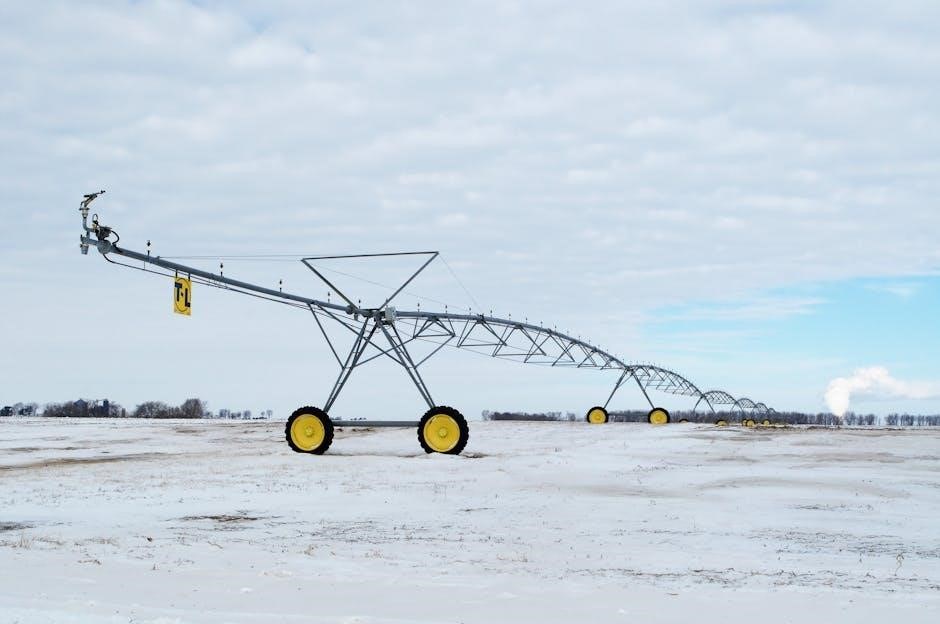
Residential Sprinkler System Design Handbook provides a step-by-step introduction to design and installation, ideal for small, single-family homes.

Importance of Proper Design

Proper sprinkler system design is crucial for efficient water use and effective fire protection within a residential setting. A well-planned system minimizes water waste, ensuring landscapes thrive while conserving valuable resources. Furthermore, correct design directly impacts the system’s ability to suppress fires, safeguarding lives and property.

The Residential Sprinkler System Design Handbook emphasizes building a solid foundation, covering components like heads, valves, and piping. Successful design requires establishing a water source, zoning, pipe sizing, and head layout—all vital for optimal performance and safety.

Scope of Residential Sprinkler Systems

The Residential Sprinkler System Design Handbook focuses on small, single-family homes, providing guidance for designing and installing these systems. Complete sprinkler systems are required based on allowable heights, areas, and stories, as outlined in relevant building codes, including Section 506.2.4 for mixed occupancies.

These systems offer occupancy-specific advantages, enhancing fire protection capabilities and potentially increasing allowable building areas. Understanding these scopes is vital for compliant and effective residential sprinkler system implementation.

Determining System Design Capacity

Efficient automatic irrigation requires determining the correct Sprinkler System Design Capacity – assessing how much water is available for residential use.

Water Source Assessment (City Water vs. Well/Lake)

When planning your sprinkler system, the initial step involves a thorough water source assessment. If utilizing city water, a straightforward process can be followed to determine availability. However, if sourcing water from a well or lake, consulting with your Hunter dealer or the pump installer is crucial.

They possess the expertise to accurately evaluate the water supply and ensure it meets the demands of the irrigation system. This assessment is fundamental to designing a system that operates efficiently and effectively, delivering optimal hydration to your landscape without strain.

Calculating Water Availability

Determining the precise amount of water available for residential irrigation is paramount when designing an efficient automatic sprinkler system. This calculation dictates the system’s capacity and ensures adequate coverage without exceeding the water source’s limitations.

Accurate assessment prevents issues like low pressure or insufficient water distribution. Consulting with professionals, particularly when utilizing well or lake sources, is highly recommended to establish a reliable and sustainable irrigation plan tailored to your specific needs and water source capabilities.

Flow Rate and Pressure Requirements

Establishing appropriate flow rate and pressure is crucial for optimal sprinkler performance. Each sprinkler head necessitates a specific gallons-per-minute (GPM) flow rate to achieve its designed coverage area effectively. Simultaneously, adequate water pressure, measured in pounds per square inch (PSI), is vital for proper spray patterns and distance.

Insufficient pressure results in misting or reduced range, while excessive pressure can cause damaging overspray. Careful calculation, considering head types and layout, ensures efficient water distribution and minimizes waste, leading to a healthy and vibrant landscape.

System Components Overview

A complete sprinkler system includes heads, valves, controllers, wiring, backflow devices, and piping – all essential for efficient and reliable irrigation.

Sprinkler Heads (Types and Selection)

Selecting the right sprinkler heads is crucial for efficient coverage. Various types exist, each suited for different landscape needs. Rotary nozzles deliver a consistent, rotating spray, ideal for larger areas, while spray heads provide a fixed-pattern spray for smaller lawns. Impact rotors are durable and cover significant distances.

Consider factors like flow rate, spray radius, and pressure requirements when choosing heads. Matching sprinkler patterns ensures head-to-head coverage, minimizing water waste. Adjustments for wind and obstructions are also vital for optimal performance. Proper selection maximizes water use efficiency and plant health.

Valves (Manual & Automatic)

Valves are essential components controlling water flow within a sprinkler system. Manual valves offer simple on/off control, useful for isolated zones or winterization. However, automatic in-line valves, often electrically operated, provide automated scheduling and zone control, enhancing efficiency.

These valves integrate with controllers for precise irrigation timing. Proper valve selection considers flow capacity, pressure rating, and compatibility with the controller. Reliable valve operation is critical for consistent system performance and water conservation. Regular inspection and maintenance ensure longevity and prevent leaks.


Controllers & Wiring

Sprinkler controllers act as the “brains” of the system, automating irrigation schedules. Modern controllers range from basic timer-based models to sophisticated smart controllers utilizing weather data for optimized watering. Wiring connects the controller to valves, enabling remote operation.

Low-voltage wiring is commonly used for safety and ease of installation. Proper wiring techniques, including waterproof connectors, are crucial for reliable performance. Controllers offer features like multiple zones, rain sensors, and remote access, enhancing convenience and water conservation.

Backflow Devices & Piping

Backflow devices are essential components, preventing contaminated water from re-entering the potable water supply. These devices protect public health and are often mandated by local codes. Piping forms the circulatory system, delivering water to sprinkler heads.

Common materials include PVC and polyethylene, selected based on pressure requirements and soil conditions. Proper pipe sizing and installation are critical to minimize friction loss and ensure adequate water flow. Fittings connect pipe sections, creating a robust and leak-free network.

Zoning for Efficient Irrigation

Effective zoning separates plants by water needs – hydrozoning – creating valve zones and efficient circuit design for optimal irrigation.

Hydrozoning Principles

Hydrozoning is a fundamental principle in efficient irrigation design, grouping plants with similar water requirements together. This practice allows for tailored watering schedules, preventing overwatering of drought-tolerant species and underwatering of those needing more moisture.

By separating lawns, flower beds, shrubs, and trees into distinct zones, you optimize water usage and promote healthier plant growth. Careful consideration of sun exposure, soil type, and plant species is crucial when establishing these zones. This targeted approach minimizes water waste and contributes to a sustainable landscape.

Separating Plant Types by Water Needs

Effective sprinkler system design necessitates grouping plants based on their individual water consumption. High-water-use plants, like certain annuals and turfgrass, should be zoned separately from low-water-use plants, such as native shrubs and drought-tolerant perennials.

This segregation ensures each plant receives the appropriate amount of hydration, promoting healthy growth and minimizing water waste. Consider microclimates within your landscape – sun-exposed areas will require more water than shaded ones. Proper plant grouping is a cornerstone of hydrozoning and efficient irrigation.

Valve Zones and Circuit Design

Sprinkler system efficiency hinges on well-planned valve zones and circuits. Each zone should encompass areas with similar watering needs, dictated by plant type and sun exposure. Automatic in-line valves are crucial components, controlling water flow to each zone independently.

Circuit design involves strategically arranging sprinkler heads within each zone to ensure optimal coverage. Consider pressure loss and flow rates when determining the number of heads per zone. Proper zoning minimizes water waste and maximizes the health of your landscape.

Pipe Sizing Calculations

Accurate pipe sizing considers friction loss, material selection – like PVC or polyethylene – and determines the optimal diameter for efficient water delivery.

Friction Loss Considerations

Friction loss significantly impacts sprinkler system performance, reducing water pressure and flow at sprinkler heads. It occurs as water travels through pipes, fittings, and valves due to internal pipe roughness and turbulence. Calculating friction loss is crucial for proper pipe sizing; larger diameter pipes reduce friction loss but increase cost.

Factors influencing friction loss include pipe material, pipe diameter, flow rate, and the length of the pipe run. Engineers utilize the Hazen-Williams equation or Darcy-Weisbach equation to accurately determine friction loss in sprinkler systems, ensuring adequate water delivery to all zones. Ignoring friction loss leads to uneven watering and system inefficiency.

Pipe Material Selection (PVC, Polyethylene)

PVC (Polyvinyl Chloride) and polyethylene are common materials for sprinkler system piping, each offering distinct advantages. PVC is rigid, durable, and cost-effective, suitable for direct burial and high-pressure applications. However, it can become brittle in cold temperatures; Polyethylene, particularly flexible polyethylene (PEX), is more resistant to freezing and offers easier installation due to its flexibility.

Choosing between PVC and polyethylene depends on climate, soil conditions, and installation preferences. Polyethylene is often preferred in areas prone to freezing or shifting soil, while PVC remains a reliable choice for warmer climates and straightforward installations.

Determining Optimal Pipe Diameter

Determining the optimal pipe diameter is crucial for efficient water delivery and minimizing friction loss within the sprinkler system. Calculations must consider flow rate, pipe length, and desired water pressure at the sprinkler heads. Larger diameter pipes reduce friction loss but increase material costs.

Pipe sizing charts and hydraulic calculators are essential tools for this process. These resources help balance cost-effectiveness with performance, ensuring adequate water supply to all zones. Proper pipe diameter selection prevents pressure drops and maintains uniform sprinkler coverage.

Sprinkler Head Layout & Spacing

Head-to-head coverage ensures complete irrigation, while matching sprinkler patterns optimizes water distribution, adjusting for wind and obstructions for efficiency.

Head-to-Head Coverage

Achieving head-to-head coverage is a fundamental principle in effective sprinkler system design. This means that the spray from each sprinkler head reaches the next, ensuring no dry spots exist within the irrigated area. Proper overlap prevents uneven watering and promotes healthy plant growth.

To accomplish this, carefully consider the manufacturer’s specified radius for each sprinkler head. Layout the heads so their streams meet, creating a continuous, overlapping pattern. This technique maximizes water efficiency and minimizes waste, delivering consistent moisture across the entire landscape. Careful planning is essential!

Sprinkler Pattern Matching

Sprinkler pattern matching is crucial for uniform irrigation. Different sprinkler heads offer various spray patterns – full circle, half circle, quarter circle, and adjustable nozzles. Selecting the correct pattern for each location prevents overwatering or underwatering specific areas of the landscape.

Identify lawn shapes and plant beds to determine the appropriate pattern for each head. Combine patterns strategically to avoid spraying water onto sidewalks, driveways, or buildings. Proper pattern matching ensures efficient water use and promotes healthy plant growth by delivering the right amount of water where it’s needed.

Adjusting for Wind and Obstructions

Wind significantly impacts sprinkler performance, causing misting and uneven distribution. Position sprinkler heads to spray with the prevailing wind direction, minimizing drift. Consider low-angle nozzles in windy areas to reduce water loss. Obstructions like trees, shrubs, and buildings disrupt spray patterns, creating dry spots.

Adjust head placement or utilize adjustable nozzles to compensate for these barriers. Careful observation during system operation reveals areas needing correction. Proper adjustments ensure comprehensive coverage, promoting healthy landscapes despite environmental challenges and physical obstructions.

Advantages of Sprinkler Systems

Sprinkler systems offer occupancy-specific benefits, robust fire protection, and significant water conservation potential, enhancing safety and landscape health effectively.

Occupancy-Specific Benefits

Sprinkler systems deliver tailored advantages based on building use. For example, in residential settings, they provide rapid fire suppression, protecting lives and property. Commercial buildings benefit from minimized downtime and damage post-incident.

The Residential Sprinkler System Design Handbook highlights how sprinkler advantages can be further increased through careful design. Mixed occupancies, as detailed in Section 506.2.4, may qualify for design allowances. These systems reduce insurance costs and enhance overall building safety, offering peace of mind to occupants and owners alike.

Fire Protection Capabilities

Sprinkler systems are engineered for swift and effective fire control, often extinguishing fires before the fire department arrives. This rapid response minimizes property damage and, crucially, saves lives. The Residential Sprinkler System Design Handbook emphasizes the importance of proper installation for optimal performance.

They offer continuous protection, operating 24/7, unlike portable extinguishers. Allowable heights and areas, as outlined in relevant sections, demonstrate the system’s capacity. Sprinklers suppress fires directly at the source, limiting spread and providing occupants valuable escape time, enhancing overall building safety.

Water Conservation Potential

Efficient irrigation, a core principle of modern sprinkler system design, significantly reduces water waste compared to traditional methods. Zoning, as detailed in design guides, allows for targeted watering based on plant needs – a practice known as hydrozoning.

This precision minimizes runoff and overwatering. Integrating sprinkler systems with drip irrigation, as suggested by experts, further enhances water conservation. Properly designed systems deliver water directly to plant roots, reducing evaporation and promoting healthier growth, ultimately conserving a valuable resource.

Traditional Sprinkler vs. Drip Systems

Traditional sprinkler and drip irrigation systems offer distinct approaches; however, combining both methods often yields the most effective and efficient results.

Comparing System Types

Sprinkler systems deliver water over a broad area, making them suitable for lawns and larger landscapes, though potentially less water-efficient. Conversely, drip irrigation focuses water directly at plant roots, minimizing waste and promoting healthier growth.

Drip systems excel in gardens, flowerbeds, and areas with specific plant needs, while sprinklers are better for uniform coverage. The choice depends on landscape features, plant types, and water conservation goals.

Integrating both allows leveraging each system’s strengths, creating a hybrid approach for optimal irrigation. Careful planning ensures efficient water use and thriving landscapes.

Integrating Sprinkler and Drip Irrigation

Combining sprinkler and drip irrigation creates a highly efficient system, maximizing water conservation and plant health. Sprinklers effectively cover lawns, while drip systems precisely target gardens, shrubs, and trees.

This hybrid approach allows tailoring irrigation to specific plant needs, reducing water waste and promoting robust growth; Automatic in-line valves facilitate seamless switching between zones, optimizing water delivery.

Design considerations include proper zoning, pressure regulation, and compatible controllers. This integrated strategy delivers the benefits of both systems, resulting in a beautiful and sustainable landscape.

Hybrid System Design Considerations

When integrating sprinkler and drip systems, careful planning is crucial. Ensure compatibility between components, particularly controllers and valves, for synchronized operation. Pressure regulation is vital; drip systems require lower pressure than sprinklers, necessitating pressure-reducing valves.

Zoning should separate sprinkler and drip zones for independent scheduling. Consider water source capacity to support both systems simultaneously. Proper filtration prevents clogging in drip emitters.

Furthermore, evaluate landscape features and plant types to determine optimal placement of each irrigation method, maximizing efficiency and plant health.

Canada

security guard test questions and answers pdf alberta

Alberta Security Guard Test: Questions & Answers – A Comprehensive Study Plan

Unlock success with our Alberta security guard test resources! Access practice questions, detailed answers, and comprehensive study guides in convenient PDF format,
guaranteeing exam readiness.

Embarking on a security career in Alberta requires successful licensing, achieved by passing the Alberta Basic Security Training (ABST) exam. This foundational course, and subsequent exam, are mandatory for all aspiring security professionals within the province.

Numerous resources are available to aid in preparation, including practice exams and study guides, often found in PDF format. These materials focus on key areas like legal frameworks – the Security Services Act and Employment Standards Code – and practical skills.

Successfully navigating the licensing process ensures you’re equipped to protect persons, property, and information, upholding the standards expected of Alberta’s security personnel. Preparation is key to confidently passing the ABST exam.

II. Understanding the Alberta Basic Security Training (ABST)

The Alberta Basic Security Training (ABST) is the cornerstone of security guard licensing in Alberta. This comprehensive program covers vital topics, from legal responsibilities and emergency procedures to effective report writing and ethical conduct.

Preparation often involves utilizing practice tests and study guides, readily available as PDFs, to reinforce learning. These resources mirror the exam’s format, including multiple-choice and true/false questions. Mastering the ABST curriculum is crucial for success.

Focus areas include understanding the Security Services Act and recognizing indictable offences, ensuring guards are well-prepared for real-world scenarios.

III. Core Legal Framework for Alberta Security Guards

Alberta security guards operate within a defined legal framework, primarily governed by the Security Services Act. This legislation outlines licensing requirements, standards of conduct, and the scope of permissible actions. Complementing this is the Employment Standards Code and Regulation, protecting the rights of security personnel.

Understanding these laws is vital for exam preparation, often tested through scenario-based questions found in practice PDFs. Knowledge of offenses like break and enter, theft, and their implications under the Criminal Code is essential.

Effective study materials emphasize legal responsibilities and limitations.

A. The Security Services Act

The Security Services Act is foundational to Alberta’s security industry, establishing licensing protocols and operational standards. It dictates who requires a license – not just those in public buildings, as some mistakenly believe – and defines acceptable conduct.

Exam preparation PDFs heavily emphasize this Act, frequently posing questions about its provisions. Understanding its scope regarding protecting persons, property, and information is crucial.

Familiarity with the Act’s stipulations ensures guards operate legally and ethically, a key focus of the ABST exam.

B. Employment Standards Code and Regulation

Alberta’s Employment Standards Code and Regulation significantly impacts security guard employment. This legislation safeguards worker rights, covering areas like wages, hours of work, and overtime pay.

Practice exam PDFs often include scenarios testing your knowledge of these standards. Questions may involve calculating overtime or identifying violations of employee rights.

Understanding this code is vital, not only for ethical practice but also for answering exam questions accurately. It demonstrates a comprehensive grasp of the legal framework governing security guard roles in Alberta.

IV. Common Offenses & Criminal Code Implications

The Alberta security guard exam heavily tests knowledge of offenses and their implications under the Criminal Code. Break and enter, for example, is a frequently cited scenario in practice questions found in PDF study materials;

Understanding the elements of offenses like theft and property crimes is crucial. Exam questions often present situations requiring you to identify the correct offense based on the provided facts.

PDF resources will emphasize recognizing indictable offenses and their potential consequences, preparing you to respond appropriately in real-world scenarios.

A. Break and Enter

Break and enter is a core topic on the Alberta security guard exam, frequently appearing in practice questions within PDF study guides. These questions assess your understanding of the offense’s definition and related legal implications.

PDF resources will detail scenarios involving unlawful entry, emphasizing the intent required for a conviction. Expect questions testing your ability to differentiate between accidental entry and criminal activity.

Understanding the security guard’s role when witnessing or discovering a break-in – including proper reporting procedures – is vital, as highlighted in exam preparation materials.

B. Theft & Property Crimes

Theft and property crimes are heavily featured in Alberta security guard exam preparation materials, particularly within practice question PDFs. These resources focus on recognizing various forms of theft – shoplifting, embezzlement, and more – and understanding the associated legal definitions.

Expect exam questions testing your knowledge of property rights and the security guard’s limitations when dealing with suspected theft. PDF guides emphasize lawful intervention versus unlawful detention.

Proper documentation and reporting procedures related to theft incidents are crucial, and practice questions will assess your understanding of these protocols.

V. Security Guard Responsibilities & Duties

Alberta security guard test PDFs thoroughly cover the core responsibilities and duties expected of licensed professionals. These materials emphasize protecting persons, property, and information as fundamental obligations.

Practice questions assess your understanding of preventative measures, incident response, and maintaining a safe environment. PDF study guides detail the legal boundaries of a security guard’s authority, stressing the importance of avoiding excessive force or unlawful detention.

Expect questions on proper report writing, communication skills, and adherence to ethical conduct, all vital components of responsible security practice.

A. Protecting Persons

Alberta security guard test preparation PDFs heavily emphasize the duty to protect persons. Practice questions focus on recognizing and responding to threats, providing assistance during emergencies, and ensuring the safety of individuals within a designated area.

Study materials detail de-escalation techniques, crowd control methods, and appropriate responses to aggressive behavior. Understanding legal limitations regarding use of force is crucial, and PDFs will include scenarios testing this knowledge.

Expect questions assessing your ability to identify potential hazards and proactively mitigate risks to ensure public safety.

B. Protecting Property

Alberta security guard exam PDFs dedicate significant sections to property protection protocols. Practice questions cover preventing theft, vandalism, and unauthorized access, including recognizing signs of break-and-enter attempts – a common offense tested.

Materials emphasize diligent observation skills, accurate report writing detailing incidents, and understanding alarm systems. Expect scenarios involving securing premises, conducting patrols, and responding to suspicious activity.

PDFs will assess your knowledge of legal responsibilities regarding property rights and the limitations of your authority when safeguarding assets.

C; Information Security

Alberta security guard test preparation PDFs increasingly focus on information security protocols. Practice questions assess understanding of confidentiality, data protection, and preventing unauthorized access to sensitive information.

Expect scenarios involving maintaining logbooks, handling confidential documents, and recognizing potential security breaches. Materials emphasize the importance of discretion and adhering to privacy regulations.

PDFs will test your knowledge of reporting procedures for security incidents involving data, and understanding the legal implications of information compromise. Protecting information is a core duty;

VI. Types of Security Guard Licenses in Alberta

Alberta security guard test PDFs detail the various license classifications. The Basic Security Guard License is foundational, covering general duties. Specialized licenses, like Cash-in-Transit, require additional training and assessment.

Practice questions often differentiate between license requirements for various roles. Understanding these distinctions is crucial for exam success. PDFs outline eligibility criteria and application processes for each license type.

Materials emphasize that operating outside the scope of your license is illegal. Knowing the limitations of each license is vital for ethical and legal compliance.

A. Basic Security Guard License

Alberta security guard test preparation PDFs heavily focus on the Basic license. This foundational license permits general security duties – protecting property, people, and information. ABST training is mandatory to qualify, and practice questions assess understanding of core concepts.

PDF study guides detail the responsibilities associated with this license, including observation, reporting, and access control. Exam questions frequently test knowledge of legal limitations and appropriate responses to various scenarios.

Success hinges on mastering the fundamentals covered in the basic training curriculum.

B. Specialized Licenses (e.g., Cash-in-Transit)


Alberta security guard test PDFs also cover specialized licenses, like Cash-in-Transit (CIT). These require additional training and stringent background checks. Practice questions for CIT focus on firearms handling, secure transport protocols, and emergency procedures specific to high-risk situations.

PDF study materials emphasize the increased legal responsibilities and potential liabilities associated with these roles. Expect exam questions testing knowledge of CIT regulations and best practices.

Mastering these specialized areas is crucial for passing the relevant licensing exams.

VII. Key Topics Covered in the ABST Exam

Alberta Basic Security Training (ABST) exam PDF resources highlight core areas. Legal Issues are paramount, including the Security Services Act and Criminal Code implications. Report Writing skills are tested extensively, demanding clear, concise, and accurate documentation.

Emergency Procedures – first aid, CPR, and responding to various incidents – are vital. Practice questions assess your ability to apply these skills. Observation & Reporting, De-escalation Techniques, and Professional Conduct are also heavily emphasized in exam preparation materials.

A. Legal Issues

Alberta security guard test PDF materials heavily emphasize legal knowledge. Key legislation includes the Security Services Act, governing licensing and conduct, and the Employment Standards Code and Regulation, protecting worker rights. Understanding Indictable Offences, like break and enter or theft, is crucial.

Exam questions assess your grasp of legal limitations on security guard powers. You’ll need to differentiate between lawful actions and overstepping boundaries. Familiarity with the Criminal Code and its application to security scenarios is essential for passing the ABST exam.

B. Report Writing

Alberta security guard test preparation significantly focuses on report writing skills. PDF study guides and practice exams emphasize clear, concise, and accurate documentation of incidents. You’ll be tested on your ability to objectively record observations, detailing facts without personal interpretation.

Effective report writing is vital for legal defensibility and evidence preservation. Questions assess proper formatting, use of language, and adherence to established protocols. Mastering this skill, alongside understanding legal frameworks, is key to success on the ABST exam and in practical application.

C. Emergency Procedures

Alberta security guard exam PDFs heavily feature emergency procedure scenarios. Practice questions assess your knowledge of responding to fires, medical emergencies, and security breaches. Understanding evacuation plans, first aid basics, and communication protocols are crucial for passing the ABST exam.

These resources emphasize prioritizing safety, providing assistance, and accurately reporting incidents to emergency services. Expect questions testing your ability to remain calm under pressure and follow established protocols. Proficiency in emergency procedures demonstrates competence and preparedness for real-world situations.

VIII. Practice Exam Question Types

Alberta security guard test preparation PDFs primarily utilize two question formats: multiple-choice and true/false. Multiple-choice questions assess your understanding of legal frameworks, security protocols, and emergency responses. True/false questions test your grasp of fundamental concepts and regulations.

Effective study materials, like those available online, mirror these formats. Practicing with these question types builds familiarity and improves your test-taking speed. Mastering both formats is essential for achieving a passing score on the ABST exam and securing your license.

A. Multiple Choice Questions

Alberta security guard exam PDFs heavily feature multiple-choice questions designed to evaluate comprehensive knowledge. These questions present a scenario or statement followed by four potential answers, requiring you to select the most accurate option. Topics covered include the Security Services Act, Employment Standards Code, and emergency procedures.

Successful preparation involves practicing with a wide range of these questions. Focus on understanding the reasoning behind correct answers, not just memorization. Online practice tests and study guides offer valuable multiple-choice practice, boosting your confidence and exam performance.

B. True/False Questions

Alberta security guard test preparation also includes mastering true/false questions, assessing your understanding of fundamental principles. These questions require careful reading and critical thinking to determine the accuracy of a statement related to security legislation, ethical conduct, and operational procedures.

PDF study materials and online resources provide ample practice with this format. Remember, even a seemingly straightforward statement can contain subtle nuances. Thoroughly review the Security Services Act and related codes to confidently answer true/false questions and maximize your exam score.

IX. Sample Questions: Legal & Ethical Considerations

Sharpen your judgment with these sample questions focusing on legal and ethical scenarios faced by Alberta security guards. For example: “True or False – A security guard can legally search an individual without reasonable suspicion.” Understanding the Security Services Act and Employment Standards Code is crucial.

PDF resources offer similar scenarios, testing your knowledge of appropriate responses; Ethical dilemmas often require balancing security needs with individual rights. Practice applying legal principles to real-world situations to demonstrate professional conduct and ensure exam success.

X. Sample Questions: Emergency Response Protocols

Test your readiness with emergency response scenarios! Consider this: “A fire alarm sounds – what are your immediate actions?” Alberta security guard training emphasizes prioritizing life safety and following established protocols. PDF study guides provide practice questions covering evacuation procedures, first aid, and communication with emergency services.

Effective emergency response requires calm decision-making and adherence to training. Sample questions assess your ability to handle situations like medical emergencies, active threats, and natural disasters. Mastering these protocols is vital for both exam success and real-world effectiveness.

XI. Sample Questions: Observation & Reporting Skills

Sharpen your senses with observation and reporting practice! A key skill for Alberta security guards is detailed observation. Imagine: “You notice a suspicious package left unattended – what do you do?” PDF resources offer scenarios testing your ability to identify and report potential threats accurately.

Effective report writing is crucial; questions assess clarity, conciseness, and completeness. Practice identifying key details, documenting observations, and maintaining a professional tone. These skills, honed through practice questions, are essential for exam success and effective security operations.

XII. Common Misconceptions About Alberta Security Guard Licensing

Debunking myths is vital for Alberta security guard licensing! A frequent misconception: only those in public buildings need a license – this is false. Licensing applies to professionals protecting persons, property, and information across various settings.

PDF study guides clarify requirements, dispelling confusion about training duration and renewal processes. Don’t assume prior experience exempts you from ABST. Understanding these nuances, often addressed in practice questions, prevents costly errors and ensures you’re fully prepared for the exam and a successful career.

XIII. Resources for ABST Exam Preparation

Maximize your ABST exam success with readily available resources! Numerous online practice tests, including those with hints and explanations, build confidence. PDF study guides offer focused learning, covering legal issues, report writing, and emergency procedures.

Dedicated exam experts have curated practice questions for Alberta, BC, Ontario, Saskatchewan, and Manitoba. Look for updated materials – a 2025 preparation guide is ideal. Several sources offer “100 correct” question banks, ensuring comprehensive coverage and boosting your score. Don’t underestimate flashcards!

A. Online Practice Tests

Boost your confidence with readily accessible online practice tests specifically designed for the Alberta Basic Security Training (ABST) exam. These tests simulate the real exam environment, helping you become familiar with question formats and time constraints. Many platforms offer instant scoring and detailed explanations, pinpointing areas for improvement.

Look for tests covering key areas like legal issues, emergency procedures, and report writing. Several resources guarantee comprehensive coverage, with some boasting “100 correct” question banks. Supplement these with PDF study guides for a well-rounded preparation strategy.

B. PDF Study Guides

Enhance your learning with downloadable PDF study guides tailored for the Alberta security guard exam. These guides consolidate essential information from the ABST curriculum, offering a portable and convenient study solution. Look for materials covering the Security Services Act, the Employment Standards Code, and common offenses like break and enter or theft.

Many guides include sample questions and answers, mirroring the multiple-choice and true/false formats found on the actual exam. Combining PDF study with online practice tests provides a robust preparation strategy, maximizing your chances of success.

XIV. Understanding Indictable Offences

Grasping indictable offences is crucial for Alberta security guards. These are serious crimes with potentially severe penalties. An example, picking a lock on an office to steal items, constitutes a break and enter – a classic indictable offence. Understanding the Criminal Code implications is vital for proper reporting and response.

PDF study guides often detail these offences, aiding exam preparation. Knowing the difference between indictable and summary conviction offences will be tested. Resources emphasize recognizing criminal activity and adhering to legal frameworks.

XV. The Role of Security in Public Buildings

Security in public buildings demands vigilance and a strong understanding of responsibilities. Contrary to some misconceptions, all security professionals – not just those in public spaces – require licensing in Alberta. Guards protect persons, property, and sensitive information within these environments.

PDF practice exams frequently assess knowledge of emergency procedures and access control. Effective security involves preventing incidents and responding appropriately. Study materials highlight the importance of professional conduct and adherence to legal guidelines within public facilities.

XVI. Importance of Professional Conduct

Maintaining professional conduct is paramount for Alberta security guards. PDF study guides and practice tests emphasize ethical considerations and legal boundaries. Guards must demonstrate integrity, respect, and impartiality in all interactions. This includes accurate report writing, proper use of authority, and adherence to the Employment Standards Code and Regulation.

Exam questions often assess responses to ethical dilemmas. Demonstrating a commitment to professionalism builds public trust and ensures effective security services. Resources prepare candidates for scenarios requiring de-escalation and sound judgment.

XVII. Security Guard Powers & Limitations

Understanding authority boundaries is crucial, covered extensively in Alberta security guard exam preparation materials. PDF resources and practice questions detail legal powers – citizen’s arrest under specific conditions – and strict limitations. Guards cannot exceed these limits, avoiding unlawful detention or excessive force.

The Security Services Act defines permissible actions. Exam questions assess knowledge of these regulations, emphasizing responsible conduct. Proper training, reinforced by study guides, ensures guards operate within the law, protecting both themselves and the public.

XVIII. First Aid & CPR Requirements

Essential life-saving skills are a core component of Alberta security guard training. PDF study guides and practice exams emphasize current First Aid and CPR certification requirements. Guards must demonstrate proficiency in responding to medical emergencies, providing immediate assistance until professional help arrives.

Exam questions frequently assess knowledge of basic first aid protocols – wound care, shock management, and CPR techniques. Maintaining valid certification is mandatory for licensing. Resources detail approved training providers, ensuring compliance with Alberta’s standards for security personnel.

XIX. De-escalation Techniques

Mastering conflict resolution is vital for Alberta security guards. PDF study materials and practice tests focus heavily on de-escalation strategies. These resources equip guards to manage tense situations peacefully, minimizing risks to themselves and others. Exam questions assess understanding of verbal and non-verbal communication techniques.

Effective de-escalation involves active listening, empathy, and clear communication. Practice scenarios within the PDF guides prepare guards for real-world encounters. Successful completion requires demonstrating the ability to diffuse conflict before it escalates, upholding safety and professionalism.

XX. Exam Day Strategies & Tips

Maximize your performance on the Alberta security guard exam with strategic preparation! PDF resources offer crucial exam day tips, including time management techniques and question-answering strategies. Prioritize reviewing key legal concepts and emergency procedures. Practice tests build confidence and familiarize you with the exam format.

Arrive early, read questions carefully, and eliminate obviously incorrect answers. Don’t dwell on difficult questions; flag them and return later. Utilize all allotted time, and remember to stay calm and focused. Thorough preparation using available PDF materials is key to success!

XXI. Accessing Alberta Security Guard Test Questions & Answers (PDF)

Secure your future by gaining access to Alberta security guard test questions and answers in convenient PDF format! Numerous online platforms offer comprehensive study materials, including practice exams and detailed explanations. Look for resources guaranteeing 100% correct answers and updated content for 2025.

These PDFs provide invaluable practice, reinforcing your understanding of legal frameworks, emergency protocols, and ethical considerations. Invest in quality study guides to maximize your chances of passing the ABST exam and launching a successful security career.

PreviousNext

You Want To Have Your Favorite Car?

We have a big list of modern & classic cars in both used and new categories.